Compare commits
1 Commits
cb/pax-id
...
transcript
| Author | SHA1 | Date | |
|---|---|---|---|

|
9e35e21729 |
44
.github/workflows/lint.yaml
vendored
@@ -1,44 +0,0 @@
|
||||
name: lint
|
||||
|
||||
on:
|
||||
workflow_dispatch:
|
||||
push:
|
||||
branches:
|
||||
- main
|
||||
pull_request:
|
||||
branches:
|
||||
- "**"
|
||||
paths-ignore:
|
||||
- "docs/**"
|
||||
|
||||
concurrency:
|
||||
group: build-lint-${{ github.event.pull_request.number || github.ref }}
|
||||
cancel-in-progress: true
|
||||
|
||||
jobs:
|
||||
autopep8:
|
||||
name: "Formatting lints"
|
||||
runs-on: ubuntu-latest
|
||||
steps:
|
||||
- name: Checkout repo
|
||||
uses: actions/checkout@v4
|
||||
- name: Set up Python
|
||||
uses: actions/setup-python@v4
|
||||
with:
|
||||
python-version: '3.10'
|
||||
- name: Setup virtual environment
|
||||
run: |
|
||||
python -m venv .venv
|
||||
- name: Install basic Python dependencies
|
||||
run: |
|
||||
source .venv/bin/activate
|
||||
python -m pip install --upgrade pip
|
||||
pip install -r requirements.txt
|
||||
- name: autopep8
|
||||
id: autopep8
|
||||
run: |
|
||||
source .venv/bin/activate
|
||||
autopep8 --max-line-length 100 --exit-code -r -d --exclude "*_pb2.py" -a -a src/
|
||||
- name: Fail if autopep8 requires changes
|
||||
if: steps.autopep8.outputs.exit-code == 2
|
||||
run: exit 1
|
||||
58
.github/workflows/tests.yaml
vendored
@@ -1,58 +0,0 @@
|
||||
name: test
|
||||
|
||||
on:
|
||||
workflow_dispatch:
|
||||
push:
|
||||
branches:
|
||||
- main
|
||||
pull_request:
|
||||
branches:
|
||||
- "**"
|
||||
paths-ignore:
|
||||
- "docs/**"
|
||||
|
||||
concurrency:
|
||||
group: build-test-${{ github.event.pull_request.number || github.ref }}
|
||||
cancel-in-progress: true
|
||||
|
||||
jobs:
|
||||
test:
|
||||
name: "Unit and Integration Tests"
|
||||
runs-on: ubuntu-latest
|
||||
steps:
|
||||
- uses: actions/checkout@v4
|
||||
- name: Set up Python
|
||||
id: setup_python
|
||||
uses: actions/setup-python@v4
|
||||
with:
|
||||
python-version: '3.10'
|
||||
- name: Cache virtual environment
|
||||
uses: actions/cache@v3
|
||||
with:
|
||||
# TODO: we are hashing requirements.txt but that doesn't contain all
|
||||
# our dependencies pinned.
|
||||
key: venv-${{ runner.os }}-${{ steps.setup_python.outputs.python-version}}-${{ hashFiles('requirements.txt') }}
|
||||
path: .venv
|
||||
- name: Install system packages
|
||||
run: sudo apt-get install -y portaudio19-dev
|
||||
- name: Setup virtual environment
|
||||
run: |
|
||||
python -m venv .venv
|
||||
- name: Install basic Python dependencies
|
||||
run: |
|
||||
source .venv/bin/activate
|
||||
python -m pip install --upgrade pip
|
||||
pip install -r requirements.txt
|
||||
- name: Build project
|
||||
run: |
|
||||
source .venv/bin/activate
|
||||
python -m build
|
||||
- name: Install project and other Python dependencies
|
||||
run: |
|
||||
source .venv/bin/activate
|
||||
pip install --editable .
|
||||
- name: Test with pytest
|
||||
run: |
|
||||
source .venv/bin/activate
|
||||
pip install pytest
|
||||
pytest --doctest-modules --ignore-glob="*to_be_updated*" src tests
|
||||
1
.gitignore
vendored
@@ -2,7 +2,6 @@
|
||||
env/
|
||||
__pycache__/
|
||||
*~
|
||||
venv
|
||||
#*#
|
||||
|
||||
# Distribution / packaging
|
||||
|
||||
24
LICENSE
@@ -1,24 +0,0 @@
|
||||
BSD 2-Clause License
|
||||
|
||||
Copyright (c) 2024, Daily
|
||||
|
||||
Redistribution and use in source and binary forms, with or without
|
||||
modification, are permitted provided that the following conditions are met:
|
||||
|
||||
1. Redistributions of source code must retain the above copyright notice, this
|
||||
list of conditions and the following disclaimer.
|
||||
|
||||
2. Redistributions in binary form must reproduce the above copyright notice,
|
||||
this list of conditions and the following disclaimer in the documentation
|
||||
and/or other materials provided with the distribution.
|
||||
|
||||
THIS SOFTWARE IS PROVIDED BY THE COPYRIGHT HOLDERS AND CONTRIBUTORS "AS IS"
|
||||
AND ANY EXPRESS OR IMPLIED WARRANTIES, INCLUDING, BUT NOT LIMITED TO, THE
|
||||
IMPLIED WARRANTIES OF MERCHANTABILITY AND FITNESS FOR A PARTICULAR PURPOSE ARE
|
||||
DISCLAIMED. IN NO EVENT SHALL THE COPYRIGHT HOLDER OR CONTRIBUTORS BE LIABLE
|
||||
FOR ANY DIRECT, INDIRECT, INCIDENTAL, SPECIAL, EXEMPLARY, OR CONSEQUENTIAL
|
||||
DAMAGES (INCLUDING, BUT NOT LIMITED TO, PROCUREMENT OF SUBSTITUTE GOODS OR
|
||||
SERVICES; LOSS OF USE, DATA, OR PROFITS; OR BUSINESS INTERRUPTION) HOWEVER
|
||||
CAUSED AND ON ANY THEORY OF LIABILITY, WHETHER IN CONTRACT, STRICT LIABILITY,
|
||||
OR TORT (INCLUDING NEGLIGENCE OR OTHERWISE) ARISING IN ANY WAY OUT OF THE USE
|
||||
OF THIS SOFTWARE, EVEN IF ADVISED OF THE POSSIBILITY OF SUCH DAMAGE.
|
||||
133
README.md
@@ -1,77 +1,8 @@
|
||||
# dailyai — an open source framework for real-time, multi-modal, conversational AI applications
|
||||
# dailyai SDK
|
||||
|
||||
Build things like this:
|
||||
This SDK can help you build applications that participate in WebRTC meetings and use various AI services to interact with other participants.
|
||||
|
||||
[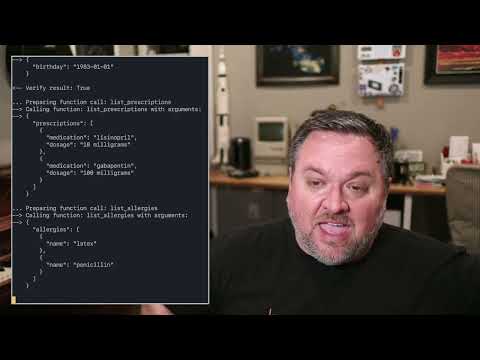](https://www.youtube.com/watch?v=lDevgsp9vn0)
|
||||
|
||||
|
||||
|
||||
|
||||
**`dailyai` started as a toolkit for implementing generative AI voice bots.** Things like personal coaches, meeting assistants, story-telling toys for kids, customer support bots, and snarky social companions.
|
||||
|
||||
|
||||
In 2023 a *lot* of us got excited about the possibility of having open-ended conversations with LLMs. It became clear pretty quickly that we were all solving the same [low-level problems](https://www.daily.co/blog/how-to-talk-to-an-llm-with-your-voice/):
|
||||
- low-latency, reliable audio transport
|
||||
- echo cancellation
|
||||
- phrase endpointing (knowing when the bot should respond to human speech)
|
||||
- interruptibility
|
||||
- writing clean code to stream data through "pipelines" of speech-to-text, LLM inference, and text-to-speech models
|
||||
|
||||
As our applications expanded to include additional things like image generation, function calling, and vision models, we started to think about what a complete framework for these kinds of apps could look like.
|
||||
|
||||
Today, `dailyai` is:
|
||||
|
||||
1. a set of code building blocks for interacting with generative AI services and creating low-latency, interruptible data pipelines that use multiple services
|
||||
2. transport services that moves audio, video, and events across the Internet
|
||||
3. implementations of specific generative AI services
|
||||
|
||||
Currently implemented services:
|
||||
- Speech-to-text
|
||||
- Deepgram
|
||||
- Whisper
|
||||
- LLMs
|
||||
- Azure
|
||||
- OpenAI
|
||||
- Image generation
|
||||
- Azure
|
||||
- Fal
|
||||
- OpenAI
|
||||
- Text-to-speech
|
||||
- Azure
|
||||
- Deepgram
|
||||
- ElevenLabs
|
||||
- Transport
|
||||
- Daily
|
||||
- Local (in progress, intended as a quick start example service)
|
||||
|
||||
If you'd like to [implement a service]((https://github.com/daily-co/daily-ai-sdk/tree/main/src/dailyai/services)), we welcome PRs! Our goal is to support lots of services in all of the above categories, plus new categories (like real-time video) as they emerge.
|
||||
|
||||
## Getting started
|
||||
|
||||
Today, the easiest way to get started with `dailyai` is to use [Daily](https://www.daily.co/) as your transport service. This toolkit started life as an internal SDK at Daily and millions of minutes of AI conversation have been served using it and its earlier prototype incarnations. (The [transport base class](https://github.com/daily-co/daily-ai-sdk/blob/main/src/dailyai/services/base_transport_service.py) is easy to extend, though, so feel free to submit PRs if you'd like to implement another transport service.)
|
||||
|
||||
```
|
||||
# install the module
|
||||
pip install dailyai
|
||||
|
||||
# set up an .env file with API keys
|
||||
cp dot-env.template .env
|
||||
```
|
||||
|
||||
## Code examples
|
||||
|
||||
There are two directories of examples:
|
||||
|
||||
- [foundational](https://github.com/daily-co/daily-ai-sdk/tree/main/examples/foundational) — demos that build on each other, introducing one or two concepts at a time
|
||||
- [starter apps](https://github.com/daily-co/daily-ai-sdk/tree/main/examples/starter-apps) — complete applications that you can use as starting points for development
|
||||
|
||||
To run the example below you need to sign up for a [free Daily account](https://dashboard.daily.co/u/signup) and create a Daily room (so you can hear the LLM talking). After that, join the room's URL directly from a browser tab and run:
|
||||
|
||||
```
|
||||
python examples/foundational/02-llm-say-one-thing.py
|
||||
```
|
||||
|
||||
## Hacking on the framework itself
|
||||
## Build/Install
|
||||
|
||||
_Note that you may need to set up a virtual environment before following the instructions below. For instance, you might need to run the following from the root of the repo:_
|
||||
|
||||
@@ -99,60 +30,26 @@ If you want to use this package from another directory, you can run:
|
||||
pip install path_to_this_repo
|
||||
```
|
||||
|
||||
### Running tests
|
||||
## Running the samples
|
||||
|
||||
To run tests you need to install `pytest`:
|
||||
Tou can run the simple sample like so:
|
||||
|
||||
```
|
||||
pip install pytest
|
||||
python src/samples/theoretical-to-real/01-say-one-thing.py -u <url of your Daily meeting> -k <your Daily API Key>
|
||||
```
|
||||
|
||||
Then, from the root directory, run:
|
||||
Note that the sample uses Azure's TTS and LLM services. You'll need to set the following environment variables for the sample to work:
|
||||
|
||||
```
|
||||
pytest --doctest-modules --ignore-glob="*to_be_updated*" src tests
|
||||
AZURE_SPEECH_SERVICE_KEY
|
||||
AZURE_SPEECH_SERVICE_REGION
|
||||
AZURE_CHATGPT_KEY
|
||||
AZURE_CHATGPT_ENDPOINT
|
||||
AZURE_CHATGPT_DEPLOYMENT_ID
|
||||
```
|
||||
|
||||
## Setting up your editor
|
||||
If you have those environment variables stored in an .env file, you can quickly load them into your terminal's environment by running this:
|
||||
|
||||
This project uses strict [PEP 8](https://peps.python.org/pep-0008/) formatting.
|
||||
|
||||
### Emacs
|
||||
|
||||
You can use [use-package](https://github.com/jwiegley/use-package) to install [py-autopep8](https://codeberg.org/ideasman42/emacs-py-autopep8) package and configure `autopep8` arguments:
|
||||
|
||||
```elisp
|
||||
(use-package py-autopep8
|
||||
:ensure t
|
||||
:defer t
|
||||
:hook ((python-mode . py-autopep8-mode))
|
||||
:config
|
||||
(setq py-autopep8-options '("-a" "-a", "--max-line-length=100")))
|
||||
```
|
||||
|
||||
`autopep8` was installed in the `venv` environment described before, so you should be able to use [pyvenv-auto](https://github.com/ryotaro612/pyvenv-auto) to automatically load that environment inside Emacs.
|
||||
|
||||
```elisp
|
||||
(use-package pyvenv-auto
|
||||
:ensure t
|
||||
:defer t
|
||||
:hook ((python-mode . pyvenv-auto-run)))
|
||||
|
||||
```
|
||||
|
||||
### Visual Studio Code
|
||||
|
||||
Install the
|
||||
[autopep8](https://marketplace.visualstudio.com/items?itemName=ms-python.autopep8) extension. Then edit the user settings (_Ctrl-Shift-P_ `Open User Settings (JSON)`) and set it as the default Python formatter, enable formatting on save and configure `autopep8` arguments:
|
||||
|
||||
```json
|
||||
"[python]": {
|
||||
"editor.defaultFormatter": "ms-python.autopep8",
|
||||
"editor.formatOnSave": true
|
||||
},
|
||||
"autopep8.args": [
|
||||
"-a",
|
||||
"-a",
|
||||
"--max-line-length=100"
|
||||
],
|
||||
```bash
|
||||
export $(grep -v '^#' .env | xargs)
|
||||
```
|
||||
|
||||
@@ -1,17 +0,0 @@
|
||||
# Daily AI SDK Docs
|
||||
|
||||
## [Architecture Overview](architecture.md)
|
||||
|
||||
Learn about the thinking behind the SDK's design.
|
||||
|
||||
## [A Frame's Progress](frame-progress.md)
|
||||
|
||||
See how a Frame is processed through a Transport, a Pipeline, and a series of Frame Processors.
|
||||
|
||||
## [Example Code](examples/)
|
||||
|
||||
The repo includes several example apps in the `examples` directory. The docs explain how they work.
|
||||
|
||||
## [API Reference](api/)
|
||||
|
||||
Complete documentation of the available classes and methods in the SDK.
|
||||
@@ -1,17 +0,0 @@
|
||||
# Daily AI SDK Architecture Guide
|
||||
|
||||
## Frames
|
||||
|
||||
Frames can represent discrete chunks of data, for instance a chunk of text, a chunk of audio, or an image. They can also be used to as control flow, for instance a frame that indicates that there is no more data available, or that a user started or stopped talking. They can also represent more complex data structures, such as a message array used for an LLM completion.
|
||||
|
||||
## FrameProcessors
|
||||
|
||||
Frame processors operate on frames. Every frame processor implements a `process_frame` method that consumes one frame and produces zero or more frames. Frame processors can do simple transforms, such as concatenating text fragments into sentences, or they can treat frames as input for an AI Service, and emit chat completions based on message arrays or transform text into audio or images.
|
||||
|
||||
## Pipelines
|
||||
|
||||
Pipelines are lists of frame processors that read from a source queue and send the processed frames to a sink queue. A very simple pipeline might chain an LLM frame processor to a text-to-speech frame processor, with a transport's send queue as its sync. Placing LLM message frames on the pipeline's source queue will cause the LLM's response to be spoken. See example #2 for an implementation of this.
|
||||
|
||||
## Transports
|
||||
|
||||
Transports provide a receive queue, which is input from "the outside world", and a sink queue, which is data that will be sent "to the outside world". The `LocalTransportService` does this with the local camera, mic, display and speaker. The `DailyTransportService` does this with a WebRTC session joined to a Daily.co room.
|
||||
@@ -1,119 +0,0 @@
|
||||
# 01: Say One Thing
|
||||
|
||||
_video here - youtube?_
|
||||
|
||||
This example uses a text-to-speech (TTS) service to say one predefined sentence. But first, a quick overview of the general structure of these examples.
|
||||
|
||||
## Running the demos
|
||||
|
||||
All of the demos have something like this at the bottom of the file:
|
||||
|
||||
```python
|
||||
if __name__ == "__main__":
|
||||
(url, token) = configure()
|
||||
asyncio.run(main(url, token))
|
||||
```
|
||||
|
||||
### `configure()`
|
||||
|
||||
The `configure()` function comes from `examples/foundational/support/runner.py`, and it allows you to configure the examples from the command line directly, or using environment variables:
|
||||
|
||||
```bash
|
||||
python 01-say-one-thing.py -u https://YOUR_DOMAIN.daily.co/YOUR_ROOM -k YOUR_API_KEY
|
||||
# or
|
||||
DAILY_ROOM_URL=https://YOUR_DOMAIN.daily.co/YOUR_ROOM DAILY_API_KEY=YOUR_API_KEY python 01-say-one-thing.py
|
||||
# or set DAILY_ROOM_URL and DAILY_API_KEY in a .env file
|
||||
python 01-say-one-thing.py
|
||||
```
|
||||
|
||||
You'll need a Daily account to run these demos. You can sign up for free at [daily.co](https://daily.co). Once you've signed up you can create a room from the [Dashboard](https://dashboard.daily.co/rooms), and grab [your API key](https://dashboard.daily.co/developers) while you're there.
|
||||
|
||||
Some functionality (such as transcription) requires the bot to have owner privileges in the room. `runner.py` uses the Daily REST API to create a meeting token with owner privileges. You can learn more about meeting tokens in the [Daily docs](https://docs.daily.co/reference/rest-api/meeting-tokens).
|
||||
|
||||
### `asyncio.run()`
|
||||
|
||||
The AI SDK makes heavy use of Python's `asyncio` module. [This is a reasonable intro to the topic](https://builtin.com/data-science/asyncio) if you haven't worked with `asyncio` and coroutines before.
|
||||
|
||||
You can learn a bit more about the specifics of how the Daily AI SDK uses coroutines in the [Architecture Guide](../architecture.md).
|
||||
|
||||
## The `main()` function
|
||||
|
||||
All of the examples have a `main()` function with a similar structure:
|
||||
|
||||
- Configure the transport
|
||||
- Configure the AI service(s) used in the demo
|
||||
- Configure any event listeners
|
||||
- Define a processing pipeline
|
||||
- Run the example's coroutine(s)
|
||||
|
||||
### Configuring the transport
|
||||
|
||||
The first section of the `main()` function configures the transport object:
|
||||
|
||||
```python
|
||||
meeting_duration_minutes = 5
|
||||
transport = DailyTransportService(
|
||||
room_url,
|
||||
None,
|
||||
"Say One Thing",
|
||||
meeting_duration_minutes,
|
||||
)
|
||||
transport.mic_enabled = True
|
||||
```
|
||||
|
||||
The [Architecture Guide](../architecture.md) explains the transport object in more detail. In this case, we're configuring a Daily transport object and enabling the virtual microphone, so our bot can play audio.
|
||||
|
||||
### Configuring the services
|
||||
|
||||
As described in the [Architecture Guide](../architecture.md), 'a 'Service' is a class that processes 'Frames' as part of a 'Pipeline'. In this demo app, we'll only need one service: a text-to-speech generator. We can create an instance of the `ElevenLabsTTSService` class with this line of code:
|
||||
|
||||
```python
|
||||
tts = ElevenLabsTTSService(aiohttp_session=session, api_key=os.getenv("ELEVENLABS_API_KEY"), voice_id=os.getenv("ELEVENLABS_VOICE_ID"))
|
||||
```
|
||||
|
||||
You'll need to make sure and set those environment variables somewhere. The easiest way to do that is to copy the `example.env` file in the repo and rename it to `.env`, and then add your credentials to that file. `runner.py` loads the `python-dotenv` module and initializes it, making the values in that file available in the environment.
|
||||
|
||||
### Configuring event listeners
|
||||
|
||||
This part isn't strictly necessary for an app like this. You could include the contents of the `on_participant_joined` function directly in the body of the `main()` function, and it would run as soon as you started the script from the command line.
|
||||
|
||||
Instead, we can use an event handler to wait to run that code until someone else joins the meeting. We'll define a function called `greet_user()`, and use the `@transport.event_handler("on_participant_joined")` decorator to tell the SDK that we want to run that function whenever a user joins the room.
|
||||
|
||||
```python
|
||||
@transport.event_handler("on_participant_joined")
|
||||
async def greet_user(transport, participant):
|
||||
if participant["info"]["isLocal"]:
|
||||
return
|
||||
|
||||
await tts.say(
|
||||
"Hello there, " + participant["info"]["userName"] + "!",
|
||||
transport.send_queue,
|
||||
)
|
||||
|
||||
# wait for the output queue to be empty, then leave the meeting
|
||||
await transport.stop_when_done()
|
||||
```
|
||||
|
||||
### Defining a processing pipeline
|
||||
|
||||
In this example, we don't actually have much of a processing pipeline! In fact, we're doing the whole thing inside the `greet_user()` function already.
|
||||
|
||||
Pipelines usually look like a bunch of nested calls to the `run()` or `run_to_queue()` function from different Services. In this example, we're using the `say()` function from the TTS service. This is effectively a convenience wrapper around the `run_to_queue()` function, which we'll discuss more later. It's important to `await` this function to ensure that the speech frames are queued for playback before the next line of code, because of the `stop_when_done()` function being called immediately afterward.
|
||||
|
||||
The output of the `say()` function goes to the transport's `send_queue`. This queue is the all-important connection between the world of the Services pipeline that's generating frames asynchronously and the ordered playback of audio and visual media in the WebRTC call.
|
||||
|
||||
### Running the coroutines
|
||||
|
||||
In this example, we don't actually have any separate processing pipelines—everything happens as a result of an event from the transport. So we only need to run the transport's coroutine, and await its completion:
|
||||
|
||||
```python
|
||||
await transport.run()
|
||||
```
|
||||
|
||||
In future examples, we'll run more processes in parallel. For now, this script can run until the transport exits—which will happen based on calling `stop_when_done()` in the `greet_user()` function.
|
||||
|
||||
## Next Steps
|
||||
|
||||
Next, we'll start connecting multiple AI services together by building a service pipeline.
|
||||
|
||||
## [02 - LLM Say One Thing »](02-llm-say-one-thing.md)
|
||||
@@ -1,5 +0,0 @@
|
||||
# Daily AI SDK Examples
|
||||
|
||||
The docs in this folder pair with the example apps located in `examples/foundational`. They are designed to serve as a quick references for building different kinds of AI apps. But the examples also build on one another, so it can be really helpful to walk through them in order.
|
||||
|
||||
To start, you can learn about the overall structure of the examples in [01 - Say One Thing](01-say-one-thing.md).
|
||||
@@ -1,46 +0,0 @@
|
||||
# A Frame's Progress
|
||||
|
||||
1. A user says “Hello, LLM” and the cloud transcription service delivers a transcription to the Transport.
|
||||

|
||||
|
||||
2. The Transport places a Transcription frame in the Pipeline’s source queue.
|
||||

|
||||
|
||||
3. The Pipeline passes the Transcription frame to the first Frame Processor in its list, the LLM User Message Aggregator.
|
||||

|
||||
|
||||
4. The LLM User Message Aggregator updates the LLM Context with a `{“user”: “Hello LLM”}` message.
|
||||

|
||||
|
||||
5. The LLM User Message Aggregator yields an LLM Message Frame, containing the updated LLM Context. The Pipeline passes this frame to the LLM Frame Processor.
|
||||

|
||||
|
||||
6. The LLM Frame Processor creates a streaming chat completion based on the LLM context and yields the first chunk of a response, Text Frame with the value “Hi, “. The Pipeline passes this frame to the TTS Frame Processor. The TTS Frame Processor aggregates this response but doesn’t yield anything, yet, because it’s waiting for a full sentence.
|
||||

|
||||
|
||||
7. The LLM Frame Processor yields another Text Frame with the value “there.”. The Pipeline passes this frame to the TTS Frame Processor.
|
||||

|
||||
|
||||
8. The TTS Frame Processor now has a full sentence, so it starts streaming audio based on “Hi, there.” It yields the first chunk of streaming audio as an Audio frame, which the Pipeline passes to the LLM Assistant Message Aggregator.
|
||||

|
||||
|
||||
9. The LLM Assistant Message Aggregator doesn’t do anything with Audio frames, so it immediately yields the frame, unchanged. This is the convention for all Frame Processors: frames that the processor doesn’t process should be immediately yielded.
|
||||

|
||||
|
||||
10. The Pipeline places the first Audio frame in its sink queue, which is being watched by the Transport. Since the frame is now in a queue, the Pipeline can continue processing other frames. Note that the source and sink queues form a sort of “boundary of concurrent processing” between a Pipeline and the outside world. In a Pipeline, Frames are processed sequentially; once a Frame is on a queue it can be processed in parallel with the frames being processed by the Pipeline. TODO: link to a more in-depth section about this.
|
||||

|
||||
|
||||
11. The TTS Frame Processor yields another Audio frame as the Transport transmits the first Audio frame.
|
||||

|
||||
|
||||
12. As before, the LLM Assistant Message Aggregator immediately yields the Audio frame and the Pipeline places the Audio frame in the sink queue.
|
||||

|
||||
|
||||
13. The TTS Frame Processor has no more frames to yield. The LLM Frame Processor emits an LLM Response End Frame, which the Pipeline passes to the TTS Frame Processor.
|
||||

|
||||
|
||||
14. The TTS Frame Processor immediately yields the LLM Response End Frame, so the Pipeline passes it along to the LLM Assistant Message Aggregator. The LLM Assistant Message Aggregator updates the LLM Context with the full response from the LLM. TODO TODO: I realized I forgot that the TSS Frame Processor also yields the Text frames that the LLM emitted so that the LLM Assistant Message Aggregator could accumulate them, arrggh.
|
||||

|
||||
|
||||
15. The system is quiet, and waiting for the next message from the Transport.
|
||||

|
||||

|
Before Width: | Height: | Size: 98 KiB |

|
Before Width: | Height: | Size: 91 KiB |

|
Before Width: | Height: | Size: 92 KiB |

|
Before Width: | Height: | Size: 92 KiB |

|
Before Width: | Height: | Size: 98 KiB |

|
Before Width: | Height: | Size: 94 KiB |

|
Before Width: | Height: | Size: 94 KiB |

|
Before Width: | Height: | Size: 95 KiB |

|
Before Width: | Height: | Size: 94 KiB |

|
Before Width: | Height: | Size: 96 KiB |

|
Before Width: | Height: | Size: 110 KiB |

|
Before Width: | Height: | Size: 102 KiB |

|
Before Width: | Height: | Size: 111 KiB |

|
Before Width: | Height: | Size: 117 KiB |

|
Before Width: | Height: | Size: 98 KiB |
@@ -1,5 +0,0 @@
|
||||
OPENAI_API_KEY=...
|
||||
ELEVENLABS_API_KEY=...
|
||||
ELEVENLABS_VOICE_ID=...
|
||||
DAILY_API_KEY=...
|
||||
DAILY_SAMPLE_ROOM_URL=https://...
|
||||
@@ -1,54 +0,0 @@
|
||||
import asyncio
|
||||
import aiohttp
|
||||
import logging
|
||||
import os
|
||||
from dailyai.pipeline.frames import EndFrame, TextFrame
|
||||
from dailyai.pipeline.pipeline import Pipeline
|
||||
|
||||
from dailyai.transports.daily_transport import DailyTransport
|
||||
from dailyai.services.elevenlabs_ai_service import ElevenLabsTTSService
|
||||
|
||||
from runner import configure
|
||||
|
||||
from dotenv import load_dotenv
|
||||
load_dotenv(override=True)
|
||||
|
||||
logging.basicConfig(format=f"%(levelno)s %(asctime)s %(message)s")
|
||||
logger = logging.getLogger("dailyai")
|
||||
logger.setLevel(logging.DEBUG)
|
||||
|
||||
|
||||
async def main(room_url):
|
||||
async with aiohttp.ClientSession() as session:
|
||||
transport = DailyTransport(
|
||||
room_url,
|
||||
None,
|
||||
"Say One Thing",
|
||||
mic_enabled=True,
|
||||
)
|
||||
|
||||
tts = ElevenLabsTTSService(
|
||||
aiohttp_session=session,
|
||||
api_key=os.getenv("ELEVENLABS_API_KEY"),
|
||||
voice_id=os.getenv("ELEVENLABS_VOICE_ID"),
|
||||
)
|
||||
|
||||
pipeline = Pipeline([tts])
|
||||
|
||||
# Register an event handler so we can play the audio when the
|
||||
# participant joins.
|
||||
@transport.event_handler("on_participant_joined")
|
||||
async def on_participant_joined(transport, participant):
|
||||
if participant["info"]["isLocal"]:
|
||||
return
|
||||
|
||||
participant_name = participant["info"]["userName"] or ''
|
||||
await pipeline.queue_frames([TextFrame("Hello there, " + participant_name + "!"), EndFrame()])
|
||||
|
||||
await transport.run(pipeline)
|
||||
del tts
|
||||
|
||||
|
||||
if __name__ == "__main__":
|
||||
(url, token) = configure()
|
||||
asyncio.run(main(url))
|
||||
@@ -1,38 +0,0 @@
|
||||
import asyncio
|
||||
import aiohttp
|
||||
import logging
|
||||
import os
|
||||
|
||||
from dailyai.services.elevenlabs_ai_service import ElevenLabsTTSService
|
||||
from dailyai.transports.local_transport import LocalTransport
|
||||
|
||||
logging.basicConfig(format=f"%(levelno)s %(asctime)s %(message)s")
|
||||
logger = logging.getLogger("dailyai")
|
||||
logger.setLevel(logging.DEBUG)
|
||||
|
||||
|
||||
async def main():
|
||||
async with aiohttp.ClientSession() as session:
|
||||
meeting_duration_minutes = 1
|
||||
transport = LocalTransport(
|
||||
duration_minutes=meeting_duration_minutes, mic_enabled=True
|
||||
)
|
||||
tts = ElevenLabsTTSService(
|
||||
aiohttp_session=session,
|
||||
api_key=os.getenv("ELEVENLABS_API_KEY"),
|
||||
voice_id=os.getenv("ELEVENLABS_VOICE_ID"),
|
||||
)
|
||||
|
||||
async def say_something():
|
||||
await asyncio.sleep(1)
|
||||
await tts.say(
|
||||
"Hello there.",
|
||||
transport.send_queue,
|
||||
)
|
||||
await transport.stop_when_done()
|
||||
|
||||
await asyncio.gather(transport.run(), say_something())
|
||||
|
||||
|
||||
if __name__ == "__main__":
|
||||
asyncio.run(main())
|
||||
@@ -1,59 +0,0 @@
|
||||
import asyncio
|
||||
import os
|
||||
import logging
|
||||
|
||||
import aiohttp
|
||||
|
||||
from dailyai.pipeline.frames import EndFrame, LLMMessagesFrame
|
||||
from dailyai.pipeline.pipeline import Pipeline
|
||||
from dailyai.transports.daily_transport import DailyTransport
|
||||
from dailyai.services.elevenlabs_ai_service import ElevenLabsTTSService
|
||||
from dailyai.services.open_ai_services import OpenAILLMService
|
||||
|
||||
from runner import configure
|
||||
|
||||
from dotenv import load_dotenv
|
||||
load_dotenv(override=True)
|
||||
|
||||
logging.basicConfig(format=f"%(levelno)s %(asctime)s %(message)s")
|
||||
logger = logging.getLogger("dailyai")
|
||||
logger.setLevel(logging.DEBUG)
|
||||
|
||||
|
||||
async def main(room_url):
|
||||
async with aiohttp.ClientSession() as session:
|
||||
transport = DailyTransport(
|
||||
room_url,
|
||||
None,
|
||||
"Say One Thing From an LLM",
|
||||
mic_enabled=True,
|
||||
)
|
||||
|
||||
tts = ElevenLabsTTSService(
|
||||
aiohttp_session=session,
|
||||
api_key=os.getenv("ELEVENLABS_API_KEY"),
|
||||
voice_id=os.getenv("ELEVENLABS_VOICE_ID"),
|
||||
)
|
||||
|
||||
llm = OpenAILLMService(
|
||||
api_key=os.getenv("OPENAI_API_KEY"),
|
||||
model="gpt-4-turbo-preview")
|
||||
|
||||
messages = [
|
||||
{
|
||||
"role": "system",
|
||||
"content": "You are an LLM in a WebRTC session, and this is a 'hello world' demo. Say hello to the world.",
|
||||
}]
|
||||
|
||||
pipeline = Pipeline([llm, tts])
|
||||
|
||||
@transport.event_handler("on_first_other_participant_joined")
|
||||
async def on_first_other_participant_joined(transport):
|
||||
await pipeline.queue_frames([LLMMessagesFrame(messages), EndFrame()])
|
||||
|
||||
await transport.run(pipeline)
|
||||
|
||||
|
||||
if __name__ == "__main__":
|
||||
(url, token) = configure()
|
||||
asyncio.run(main(url))
|
||||
@@ -1,57 +0,0 @@
|
||||
import asyncio
|
||||
import aiohttp
|
||||
import logging
|
||||
import os
|
||||
|
||||
from dailyai.pipeline.frames import TextFrame
|
||||
from dailyai.pipeline.pipeline import Pipeline
|
||||
from dailyai.transports.daily_transport import DailyTransport
|
||||
from dailyai.services.fal_ai_services import FalImageGenService
|
||||
|
||||
from runner import configure
|
||||
|
||||
from dotenv import load_dotenv
|
||||
load_dotenv(override=True)
|
||||
|
||||
logging.basicConfig(format=f"%(levelno)s %(asctime)s %(message)s")
|
||||
logger = logging.getLogger("dailyai")
|
||||
logger.setLevel(logging.DEBUG)
|
||||
|
||||
|
||||
async def main(room_url):
|
||||
async with aiohttp.ClientSession() as session:
|
||||
transport = DailyTransport(
|
||||
room_url,
|
||||
None,
|
||||
"Show a still frame image",
|
||||
camera_enabled=True,
|
||||
camera_width=1024,
|
||||
camera_height=1024,
|
||||
duration_minutes=1
|
||||
)
|
||||
|
||||
imagegen = FalImageGenService(
|
||||
image_size="square_hd",
|
||||
aiohttp_session=session,
|
||||
key_id=os.getenv("FAL_KEY_ID"),
|
||||
key_secret=os.getenv("FAL_KEY_SECRET"),
|
||||
)
|
||||
|
||||
pipeline = Pipeline([imagegen])
|
||||
|
||||
@transport.event_handler("on_first_other_participant_joined")
|
||||
async def on_first_other_participant_joined(transport):
|
||||
# Note that we do not put an EndFrame() item in the pipeline for this demo.
|
||||
# This means that the bot will stay in the channel until it times out.
|
||||
# An EndFrame() in the pipeline would cause the transport to shut
|
||||
# down.
|
||||
await pipeline.queue_frames(
|
||||
[TextFrame("a cat in the style of picasso")]
|
||||
)
|
||||
|
||||
await transport.run(pipeline)
|
||||
|
||||
|
||||
if __name__ == "__main__":
|
||||
(url, token) = configure()
|
||||
asyncio.run(main(url))
|
||||
@@ -1,55 +0,0 @@
|
||||
import asyncio
|
||||
import aiohttp
|
||||
import logging
|
||||
import os
|
||||
|
||||
import tkinter as tk
|
||||
|
||||
from dailyai.pipeline.frames import TextFrame
|
||||
from dailyai.services.fal_ai_services import FalImageGenService
|
||||
from dailyai.transports.local_transport import LocalTransport
|
||||
|
||||
logging.basicConfig(format=f"%(levelno)s %(asctime)s %(message)s")
|
||||
logger = logging.getLogger("dailyai")
|
||||
logger.setLevel(logging.DEBUG)
|
||||
|
||||
local_joined = False
|
||||
participant_joined = False
|
||||
|
||||
|
||||
async def main():
|
||||
async with aiohttp.ClientSession() as session:
|
||||
meeting_duration_minutes = 2
|
||||
tk_root = tk.Tk()
|
||||
tk_root.title("Calendar")
|
||||
transport = LocalTransport(
|
||||
tk_root=tk_root,
|
||||
mic_enabled=True,
|
||||
camera_enabled=True,
|
||||
camera_width=1024,
|
||||
camera_height=1024,
|
||||
duration_minutes=meeting_duration_minutes,
|
||||
)
|
||||
|
||||
imagegen = FalImageGenService(
|
||||
image_size="1024x1024",
|
||||
aiohttp_session=session,
|
||||
key_id=os.getenv("FAL_KEY_ID"),
|
||||
key_secret=os.getenv("FAL_KEY_SECRET"),
|
||||
)
|
||||
image_task = asyncio.create_task(
|
||||
imagegen.run_to_queue(
|
||||
transport.send_queue, [
|
||||
TextFrame("a cat in the style of picasso")]))
|
||||
|
||||
async def run_tk():
|
||||
while not transport._stop_threads.is_set():
|
||||
tk_root.update()
|
||||
tk_root.update_idletasks()
|
||||
await asyncio.sleep(0.1)
|
||||
|
||||
await asyncio.gather(transport.run(), image_task, run_tk())
|
||||
|
||||
|
||||
if __name__ == "__main__":
|
||||
asyncio.run(main())
|
||||
@@ -1,85 +0,0 @@
|
||||
import asyncio
|
||||
import logging
|
||||
import os
|
||||
|
||||
import aiohttp
|
||||
from dailyai.pipeline.merge_pipeline import SequentialMergePipeline
|
||||
from dailyai.pipeline.pipeline import Pipeline
|
||||
|
||||
from dailyai.transports.daily_transport import DailyTransport
|
||||
from dailyai.services.azure_ai_services import AzureLLMService, AzureTTSService
|
||||
from dailyai.services.deepgram_ai_services import DeepgramTTSService
|
||||
from dailyai.pipeline.frames import EndPipeFrame, LLMMessagesFrame, TextFrame
|
||||
from dailyai.services.elevenlabs_ai_service import ElevenLabsTTSService
|
||||
|
||||
from runner import configure
|
||||
|
||||
from dotenv import load_dotenv
|
||||
load_dotenv(override=True)
|
||||
|
||||
logging.basicConfig(format=f"%(levelno)s %(asctime)s %(message)s")
|
||||
logger = logging.getLogger("dailyai")
|
||||
logger.setLevel(logging.DEBUG)
|
||||
|
||||
|
||||
async def main(room_url: str):
|
||||
async with aiohttp.ClientSession() as session:
|
||||
transport = DailyTransport(
|
||||
room_url,
|
||||
None,
|
||||
"Static And Dynamic Speech",
|
||||
duration_minutes=1,
|
||||
mic_enabled=True,
|
||||
mic_sample_rate=16000,
|
||||
)
|
||||
|
||||
llm = AzureLLMService(
|
||||
api_key=os.getenv("AZURE_CHATGPT_API_KEY"),
|
||||
endpoint=os.getenv("AZURE_CHATGPT_ENDPOINT"),
|
||||
model=os.getenv("AZURE_CHATGPT_MODEL"),
|
||||
)
|
||||
azure_tts = AzureTTSService(
|
||||
api_key=os.getenv("AZURE_SPEECH_API_KEY"),
|
||||
region=os.getenv("AZURE_SPEECH_REGION"),
|
||||
)
|
||||
|
||||
deepgram_tts = DeepgramTTSService(
|
||||
aiohttp_session=session,
|
||||
api_key=os.getenv("DEEPGRAM_API_KEY"),
|
||||
)
|
||||
elevenlabs_tts = ElevenLabsTTSService(
|
||||
aiohttp_session=session,
|
||||
api_key=os.getenv("ELEVENLABS_API_KEY"),
|
||||
voice_id=os.getenv("ELEVENLABS_VOICE_ID"),
|
||||
)
|
||||
|
||||
messages = [{"role": "system",
|
||||
"content": "tell the user a joke about llamas"}]
|
||||
|
||||
# Start a task to run the LLM to create a joke, and convert the LLM output to audio frames. This task
|
||||
# will run in parallel with generating and speaking the audio for static text, so there's no delay to
|
||||
# speak the LLM response.
|
||||
llm_pipeline = Pipeline([llm, elevenlabs_tts])
|
||||
await llm_pipeline.queue_frames([LLMMessagesFrame(messages), EndPipeFrame()])
|
||||
|
||||
simple_tts_pipeline = Pipeline([azure_tts])
|
||||
await simple_tts_pipeline.queue_frames(
|
||||
[
|
||||
TextFrame("My friend the LLM is going to tell a joke about llamas."),
|
||||
EndPipeFrame(),
|
||||
]
|
||||
)
|
||||
|
||||
merge_pipeline = SequentialMergePipeline(
|
||||
[simple_tts_pipeline, llm_pipeline])
|
||||
|
||||
await asyncio.gather(
|
||||
transport.run(merge_pipeline),
|
||||
simple_tts_pipeline.run_pipeline(),
|
||||
llm_pipeline.run_pipeline(),
|
||||
)
|
||||
|
||||
|
||||
if __name__ == "__main__":
|
||||
(url, token) = configure()
|
||||
asyncio.run(main(url))
|
||||
@@ -1,146 +0,0 @@
|
||||
import asyncio
|
||||
import aiohttp
|
||||
import os
|
||||
import logging
|
||||
|
||||
from dataclasses import dataclass
|
||||
from typing import AsyncGenerator
|
||||
|
||||
from dailyai.pipeline.aggregators import (
|
||||
GatedAggregator,
|
||||
LLMFullResponseAggregator,
|
||||
ParallelPipeline,
|
||||
SentenceAggregator,
|
||||
)
|
||||
from dailyai.pipeline.frames import (
|
||||
Frame,
|
||||
TextFrame,
|
||||
EndFrame,
|
||||
ImageFrame,
|
||||
LLMMessagesFrame,
|
||||
LLMResponseStartFrame,
|
||||
)
|
||||
from dailyai.pipeline.frame_processor import FrameProcessor
|
||||
|
||||
from dailyai.pipeline.pipeline import Pipeline
|
||||
from dailyai.transports.daily_transport import DailyTransport
|
||||
from dailyai.services.open_ai_services import OpenAILLMService
|
||||
from dailyai.services.elevenlabs_ai_service import ElevenLabsTTSService
|
||||
from dailyai.services.fal_ai_services import FalImageGenService
|
||||
|
||||
from runner import configure
|
||||
|
||||
from dotenv import load_dotenv
|
||||
load_dotenv(override=True)
|
||||
|
||||
logging.basicConfig(format=f"%(levelno)s %(asctime)s %(message)s")
|
||||
logger = logging.getLogger("dailyai")
|
||||
logger.setLevel(logging.DEBUG)
|
||||
|
||||
|
||||
@dataclass
|
||||
class MonthFrame(Frame):
|
||||
month: str
|
||||
|
||||
|
||||
class MonthPrepender(FrameProcessor):
|
||||
def __init__(self):
|
||||
self.most_recent_month = "Placeholder, month frame not yet received"
|
||||
self.prepend_to_next_text_frame = False
|
||||
|
||||
async def process_frame(self, frame: Frame) -> AsyncGenerator[Frame, None]:
|
||||
if isinstance(frame, MonthFrame):
|
||||
self.most_recent_month = frame.month
|
||||
elif self.prepend_to_next_text_frame and isinstance(frame, TextFrame):
|
||||
yield TextFrame(f"{self.most_recent_month}: {frame.text}")
|
||||
self.prepend_to_next_text_frame = False
|
||||
elif isinstance(frame, LLMResponseStartFrame):
|
||||
self.prepend_to_next_text_frame = True
|
||||
yield frame
|
||||
else:
|
||||
yield frame
|
||||
|
||||
|
||||
async def main(room_url):
|
||||
async with aiohttp.ClientSession() as session:
|
||||
transport = DailyTransport(
|
||||
room_url,
|
||||
None,
|
||||
"Month Narration Bot",
|
||||
mic_enabled=True,
|
||||
camera_enabled=True,
|
||||
mic_sample_rate=16000,
|
||||
camera_width=1024,
|
||||
camera_height=1024,
|
||||
)
|
||||
|
||||
tts = ElevenLabsTTSService(
|
||||
aiohttp_session=session,
|
||||
api_key=os.getenv("ELEVENLABS_API_KEY"),
|
||||
voice_id=os.getenv("ELEVENLABS_VOICE_ID"),
|
||||
)
|
||||
|
||||
llm = OpenAILLMService(
|
||||
api_key=os.getenv("OPENAI_API_KEY"),
|
||||
model="gpt-4-turbo-preview")
|
||||
|
||||
imagegen = FalImageGenService(
|
||||
image_size="square_hd",
|
||||
aiohttp_session=session,
|
||||
key_id=os.getenv("FAL_KEY_ID"),
|
||||
key_secret=os.getenv("FAL_KEY_SECRET"),
|
||||
)
|
||||
|
||||
gated_aggregator = GatedAggregator(
|
||||
gate_open_fn=lambda frame: isinstance(
|
||||
frame, ImageFrame), gate_close_fn=lambda frame: isinstance(
|
||||
frame, LLMResponseStartFrame), start_open=False, )
|
||||
|
||||
sentence_aggregator = SentenceAggregator()
|
||||
month_prepender = MonthPrepender()
|
||||
llm_full_response_aggregator = LLMFullResponseAggregator()
|
||||
|
||||
pipeline = Pipeline(
|
||||
processors=[
|
||||
llm,
|
||||
sentence_aggregator,
|
||||
ParallelPipeline(
|
||||
[[month_prepender, tts], [llm_full_response_aggregator, imagegen]]
|
||||
),
|
||||
gated_aggregator,
|
||||
],
|
||||
)
|
||||
|
||||
frames = []
|
||||
for month in [
|
||||
"January",
|
||||
"February",
|
||||
"March",
|
||||
"April",
|
||||
"May",
|
||||
"June",
|
||||
"July",
|
||||
"August",
|
||||
"September",
|
||||
"October",
|
||||
"November",
|
||||
"December",
|
||||
]:
|
||||
messages = [
|
||||
{
|
||||
"role": "system",
|
||||
"content": f"Describe a nature photograph suitable for use in a calendar, for the month of {month}. Include only the image description with no preamble. Limit the description to one sentence, please.",
|
||||
}
|
||||
]
|
||||
frames.append(MonthFrame(month))
|
||||
frames.append(LLMMessagesFrame(messages))
|
||||
|
||||
frames.append(EndFrame())
|
||||
await pipeline.queue_frames(frames)
|
||||
|
||||
await transport.run(pipeline, override_pipeline_source_queue=False)
|
||||
|
||||
|
||||
if __name__ == "__main__":
|
||||
(url, token) = configure()
|
||||
asyncio.run(main(url))
|
||||
@@ -1,146 +0,0 @@
|
||||
import aiohttp
|
||||
import argparse
|
||||
import asyncio
|
||||
import logging
|
||||
import tkinter as tk
|
||||
import os
|
||||
|
||||
from dailyai.pipeline.frames import AudioFrame, ImageFrame
|
||||
from dailyai.services.open_ai_services import OpenAILLMService
|
||||
from dailyai.services.elevenlabs_ai_service import ElevenLabsTTSService
|
||||
from dailyai.services.fal_ai_services import FalImageGenService
|
||||
from dailyai.transports.local_transport import LocalTransport
|
||||
|
||||
logging.basicConfig(format=f"%(levelno)s %(asctime)s %(message)s")
|
||||
logger = logging.getLogger("dailyai")
|
||||
logger.setLevel(logging.DEBUG)
|
||||
|
||||
|
||||
async def main(room_url):
|
||||
async with aiohttp.ClientSession() as session:
|
||||
meeting_duration_minutes = 5
|
||||
tk_root = tk.Tk()
|
||||
tk_root.title("Calendar")
|
||||
|
||||
transport = LocalTransport(
|
||||
mic_enabled=True,
|
||||
camera_enabled=True,
|
||||
camera_width=1024,
|
||||
camera_height=1024,
|
||||
duration_minutes=meeting_duration_minutes,
|
||||
tk_root=tk_root,
|
||||
)
|
||||
|
||||
tts = ElevenLabsTTSService(
|
||||
aiohttp_session=session,
|
||||
api_key=os.getenv("ELEVENLABS_API_KEY"),
|
||||
voice_id=os.getenv("ELEVENLABS_VOICE_ID"),
|
||||
)
|
||||
|
||||
llm = OpenAILLMService(
|
||||
api_key=os.getenv("OPENAI_API_KEY"),
|
||||
model="gpt-4-turbo-preview")
|
||||
|
||||
dalle = FalImageGenService(
|
||||
image_size="1024x1024",
|
||||
aiohttp_session=session,
|
||||
key_id=os.getenv("FAL_KEY_ID"),
|
||||
key_secret=os.getenv("FAL_KEY_SECRET"),
|
||||
)
|
||||
|
||||
# Get a complete audio chunk from the given text. Splitting this into its own
|
||||
# coroutine lets us ensure proper ordering of the audio chunks on the
|
||||
# send queue.
|
||||
async def get_all_audio(text):
|
||||
all_audio = bytearray()
|
||||
async for audio in tts.run_tts(text):
|
||||
all_audio.extend(audio)
|
||||
|
||||
return all_audio
|
||||
|
||||
async def get_month_data(month):
|
||||
messages = [
|
||||
{
|
||||
"role": "system",
|
||||
"content": f"Describe a nature photograph suitable for use in a calendar, for the month of {month}. Include only the image description with no preamble. Limit the description to one sentence, please.",
|
||||
}
|
||||
]
|
||||
|
||||
image_description = await llm.run_llm(messages)
|
||||
if not image_description:
|
||||
return
|
||||
|
||||
to_speak = f"{month}: {image_description}"
|
||||
audio_task = asyncio.create_task(get_all_audio(to_speak))
|
||||
image_task = asyncio.create_task(
|
||||
dalle.run_image_gen(image_description))
|
||||
(audio, image_data) = await asyncio.gather(audio_task, image_task)
|
||||
|
||||
return {
|
||||
"month": month,
|
||||
"text": image_description,
|
||||
"image_url": image_data[0],
|
||||
"image": image_data[1],
|
||||
"audio": audio,
|
||||
}
|
||||
|
||||
months: list[str] = [
|
||||
"January",
|
||||
"February",
|
||||
"March",
|
||||
"April",
|
||||
"May",
|
||||
"June",
|
||||
"July",
|
||||
"August",
|
||||
"September",
|
||||
"October",
|
||||
"November",
|
||||
"December",
|
||||
]
|
||||
|
||||
async def show_images():
|
||||
# This will play the months in the order they're completed. The benefit
|
||||
# is we'll have as little delay as possible before the first month, and
|
||||
# likely no delay between months, but the months won't display in
|
||||
# order.
|
||||
for month_data_task in asyncio.as_completed(month_tasks):
|
||||
data = await month_data_task
|
||||
if data:
|
||||
await transport.send_queue.put(
|
||||
[
|
||||
ImageFrame(data["image_url"], data["image"]),
|
||||
AudioFrame(data["audio"]),
|
||||
]
|
||||
)
|
||||
|
||||
await asyncio.sleep(25)
|
||||
|
||||
# wait for the output queue to be empty, then leave the meeting
|
||||
await transport.stop_when_done()
|
||||
|
||||
async def run_tk():
|
||||
while not transport._stop_threads.is_set():
|
||||
tk_root.update()
|
||||
tk_root.update_idletasks()
|
||||
await asyncio.sleep(0.1)
|
||||
|
||||
month_tasks = [
|
||||
asyncio.create_task(
|
||||
get_month_data(month)) for month in months]
|
||||
|
||||
await asyncio.gather(transport.run(), show_images(), run_tk())
|
||||
|
||||
|
||||
if __name__ == "__main__":
|
||||
parser = argparse.ArgumentParser(description="Simple Daily Bot Sample")
|
||||
parser.add_argument(
|
||||
"-u",
|
||||
"--url",
|
||||
type=str,
|
||||
required=True,
|
||||
help="URL of the Daily room to join")
|
||||
|
||||
args, unknown = parser.parse_known_args()
|
||||
|
||||
asyncio.run(main(args.url))
|
||||
@@ -1,88 +0,0 @@
|
||||
import asyncio
|
||||
import aiohttp
|
||||
import logging
|
||||
import os
|
||||
from dailyai.pipeline.frames import LLMMessagesFrame
|
||||
from dailyai.pipeline.pipeline import Pipeline
|
||||
|
||||
from dailyai.transports.daily_transport import DailyTransport
|
||||
from dailyai.services.elevenlabs_ai_service import ElevenLabsTTSService
|
||||
from dailyai.services.open_ai_services import OpenAILLMService
|
||||
from dailyai.services.ai_services import FrameLogger
|
||||
from dailyai.pipeline.aggregators import (
|
||||
LLMAssistantContextAggregator,
|
||||
LLMUserContextAggregator,
|
||||
)
|
||||
from runner import configure
|
||||
|
||||
from dotenv import load_dotenv
|
||||
load_dotenv(override=True)
|
||||
|
||||
logging.basicConfig(format=f"%(levelno)s %(asctime)s %(message)s")
|
||||
logger = logging.getLogger("dailyai")
|
||||
logger.setLevel(logging.DEBUG)
|
||||
|
||||
|
||||
async def main(room_url: str, token):
|
||||
async with aiohttp.ClientSession() as session:
|
||||
transport = DailyTransport(
|
||||
room_url,
|
||||
token,
|
||||
"Respond bot",
|
||||
duration_minutes=5,
|
||||
start_transcription=True,
|
||||
mic_enabled=True,
|
||||
mic_sample_rate=16000,
|
||||
camera_enabled=False,
|
||||
vad_enabled=True,
|
||||
)
|
||||
|
||||
tts = ElevenLabsTTSService(
|
||||
aiohttp_session=session,
|
||||
api_key=os.getenv("ELEVENLABS_API_KEY"),
|
||||
voice_id=os.getenv("ELEVENLABS_VOICE_ID"),
|
||||
)
|
||||
|
||||
llm = OpenAILLMService(
|
||||
api_key=os.getenv("OPENAI_API_KEY"),
|
||||
model="gpt-4-turbo-preview")
|
||||
fl = FrameLogger("Inner")
|
||||
fl2 = FrameLogger("Outer")
|
||||
messages = [
|
||||
{
|
||||
"role": "system",
|
||||
"content": "You are a helpful LLM in a WebRTC call. Your goal is to demonstrate your capabilities in a succinct way. Your output will be converted to audio. Respond to what the user said in a creative and helpful way.",
|
||||
},
|
||||
]
|
||||
|
||||
tma_in = LLMUserContextAggregator(
|
||||
messages, transport._my_participant_id)
|
||||
tma_out = LLMAssistantContextAggregator(
|
||||
messages, transport._my_participant_id
|
||||
)
|
||||
pipeline = Pipeline(
|
||||
processors=[
|
||||
fl,
|
||||
tma_in,
|
||||
llm,
|
||||
fl2,
|
||||
tts,
|
||||
tma_out,
|
||||
],
|
||||
)
|
||||
|
||||
@transport.event_handler("on_first_other_participant_joined")
|
||||
async def on_first_other_participant_joined(transport):
|
||||
# Kick off the conversation.
|
||||
messages.append(
|
||||
{"role": "system", "content": "Please introduce yourself to the user."})
|
||||
await pipeline.queue_frames([LLMMessagesFrame(messages)])
|
||||
|
||||
transport.transcription_settings["extra"]["endpointing"] = True
|
||||
transport.transcription_settings["extra"]["punctuate"] = True
|
||||
await transport.run(pipeline)
|
||||
|
||||
|
||||
if __name__ == "__main__":
|
||||
(url, token) = configure()
|
||||
asyncio.run(main(url, token))
|
||||
@@ -1,122 +0,0 @@
|
||||
import asyncio
|
||||
import os
|
||||
import logging
|
||||
from typing import AsyncGenerator
|
||||
import aiohttp
|
||||
from PIL import Image
|
||||
|
||||
from dailyai.pipeline.frames import ImageFrame, Frame
|
||||
from dailyai.transports.daily_transport import DailyTransport
|
||||
from dailyai.services.ai_services import AIService
|
||||
from dailyai.pipeline.aggregators import (
|
||||
LLMAssistantContextAggregator,
|
||||
LLMUserContextAggregator,
|
||||
)
|
||||
from dailyai.services.open_ai_services import OpenAILLMService
|
||||
from dailyai.services.elevenlabs_ai_service import ElevenLabsTTSService
|
||||
from dailyai.services.fal_ai_services import FalImageGenService
|
||||
|
||||
from runner import configure
|
||||
|
||||
from dotenv import load_dotenv
|
||||
load_dotenv(override=True)
|
||||
|
||||
logging.basicConfig(format=f"%(levelno)s %(asctime)s %(message)s")
|
||||
logger = logging.getLogger("dailyai")
|
||||
logger.setLevel(logging.DEBUG)
|
||||
|
||||
|
||||
class ImageSyncAggregator(AIService):
|
||||
def __init__(self, speaking_path: str, waiting_path: str):
|
||||
self._speaking_image = Image.open(speaking_path)
|
||||
self._speaking_image_bytes = self._speaking_image.tobytes()
|
||||
|
||||
self._waiting_image = Image.open(waiting_path)
|
||||
self._waiting_image_bytes = self._waiting_image.tobytes()
|
||||
|
||||
async def process_frame(self, frame: Frame) -> AsyncGenerator[Frame, None]:
|
||||
yield ImageFrame(None, self._speaking_image_bytes)
|
||||
yield frame
|
||||
yield ImageFrame(None, self._waiting_image_bytes)
|
||||
|
||||
|
||||
async def main(room_url: str, token):
|
||||
async with aiohttp.ClientSession() as session:
|
||||
transport = DailyTransport(
|
||||
room_url,
|
||||
token,
|
||||
"Respond bot",
|
||||
5,
|
||||
)
|
||||
transport._camera_enabled = True
|
||||
transport._camera_width = 1024
|
||||
transport._camera_height = 1024
|
||||
transport._mic_enabled = True
|
||||
transport._mic_sample_rate = 16000
|
||||
|
||||
tts = ElevenLabsTTSService(
|
||||
aiohttp_session=session,
|
||||
api_key=os.getenv("ELEVENLABS_API_KEY"),
|
||||
voice_id=os.getenv("ELEVENLABS_VOICE_ID"),
|
||||
)
|
||||
|
||||
llm = OpenAILLMService(
|
||||
api_key=os.getenv("OPENAI_API_KEY"),
|
||||
model="gpt-4-turbo-preview")
|
||||
|
||||
img = FalImageGenService(
|
||||
image_size="1024x1024",
|
||||
aiohttp_session=session,
|
||||
key_id=os.getenv("FAL_KEY_ID"),
|
||||
key_secret=os.getenv("FAL_KEY_SECRET"),
|
||||
)
|
||||
|
||||
async def get_images():
|
||||
get_speaking_task = asyncio.create_task(
|
||||
img.run_image_gen("An image of a cat speaking")
|
||||
)
|
||||
get_waiting_task = asyncio.create_task(
|
||||
img.run_image_gen("An image of a cat waiting")
|
||||
)
|
||||
|
||||
(speaking_data, waiting_data) = await asyncio.gather(
|
||||
get_speaking_task, get_waiting_task
|
||||
)
|
||||
|
||||
return speaking_data, waiting_data
|
||||
|
||||
@transport.event_handler("on_first_other_participant_joined")
|
||||
async def on_first_other_participant_joined(transport):
|
||||
await tts.say("Hi, I'm listening!", transport.send_queue)
|
||||
|
||||
async def handle_transcriptions():
|
||||
messages = [
|
||||
{
|
||||
"role": "system",
|
||||
"content": "You are a helpful LLM in a WebRTC call. Your goal is to demonstrate your capabilities in a succinct way. Your output will be converted to audio. Respond to what the user said in a creative and helpful way.",
|
||||
},
|
||||
]
|
||||
|
||||
tma_in = LLMUserContextAggregator(
|
||||
messages, transport._my_participant_id)
|
||||
tma_out = LLMAssistantContextAggregator(
|
||||
messages, transport._my_participant_id
|
||||
)
|
||||
image_sync_aggregator = ImageSyncAggregator(
|
||||
os.path.join(
|
||||
os.path.dirname(__file__), "assets", "speaking.png"), os.path.join(
|
||||
os.path.dirname(__file__), "assets", "waiting.png"), )
|
||||
await tts.run_to_queue(
|
||||
transport.send_queue,
|
||||
image_sync_aggregator.run(
|
||||
tma_out.run(llm.run(tma_in.run(transport.get_receive_frames())))
|
||||
),
|
||||
)
|
||||
|
||||
transport.transcription_settings["extra"]["punctuate"] = True
|
||||
await asyncio.gather(transport.run(), handle_transcriptions())
|
||||
|
||||
|
||||
if __name__ == "__main__":
|
||||
(url, token) = configure()
|
||||
asyncio.run(main(url, token))
|
||||
@@ -1,76 +0,0 @@
|
||||
import asyncio
|
||||
import aiohttp
|
||||
import logging
|
||||
import os
|
||||
from dailyai.pipeline.aggregators import (
|
||||
LLMResponseAggregator,
|
||||
UserResponseAggregator,
|
||||
)
|
||||
|
||||
from dailyai.pipeline.pipeline import Pipeline
|
||||
from dailyai.services.ai_services import FrameLogger
|
||||
from dailyai.transports.daily_transport import DailyTransport
|
||||
from dailyai.services.open_ai_services import OpenAILLMService
|
||||
from dailyai.services.elevenlabs_ai_service import ElevenLabsTTSService
|
||||
|
||||
from runner import configure
|
||||
|
||||
from dotenv import load_dotenv
|
||||
load_dotenv(override=True)
|
||||
|
||||
logging.basicConfig(format=f"%(levelno)s %(asctime)s %(message)s")
|
||||
logger = logging.getLogger("dailyai")
|
||||
logger.setLevel(logging.DEBUG)
|
||||
|
||||
|
||||
async def main(room_url: str, token):
|
||||
async with aiohttp.ClientSession() as session:
|
||||
transport = DailyTransport(
|
||||
room_url,
|
||||
token,
|
||||
"Respond bot",
|
||||
duration_minutes=5,
|
||||
start_transcription=True,
|
||||
mic_enabled=True,
|
||||
mic_sample_rate=16000,
|
||||
camera_enabled=False,
|
||||
vad_enabled=True,
|
||||
)
|
||||
|
||||
tts = ElevenLabsTTSService(
|
||||
aiohttp_session=session,
|
||||
api_key=os.getenv("ELEVENLABS_API_KEY"),
|
||||
voice_id=os.getenv("ELEVENLABS_VOICE_ID"),
|
||||
)
|
||||
|
||||
llm = OpenAILLMService(
|
||||
api_key=os.getenv("OPENAI_API_KEY"),
|
||||
model="gpt-4-turbo-preview")
|
||||
|
||||
pipeline = Pipeline([FrameLogger(), llm, FrameLogger(), tts])
|
||||
|
||||
@transport.event_handler("on_first_other_participant_joined")
|
||||
async def on_first_other_participant_joined(transport):
|
||||
await transport.say("Hi, I'm listening!", tts)
|
||||
|
||||
async def run_conversation():
|
||||
messages = [
|
||||
{
|
||||
"role": "system",
|
||||
"content": "You are a helpful LLM in a WebRTC call. Your goal is to demonstrate your capabilities in a succinct way. Your output will be converted to audio. Respond to what the user said in a creative and helpful way.",
|
||||
},
|
||||
]
|
||||
|
||||
await transport.run_interruptible_pipeline(
|
||||
pipeline,
|
||||
post_processor=LLMResponseAggregator(messages),
|
||||
pre_processor=UserResponseAggregator(messages),
|
||||
)
|
||||
|
||||
transport.transcription_settings["extra"]["punctuate"] = False
|
||||
await asyncio.gather(transport.run(), run_conversation())
|
||||
|
||||
|
||||
if __name__ == "__main__":
|
||||
(url, token) = configure()
|
||||
asyncio.run(main(url, token))
|
||||
@@ -1,147 +0,0 @@
|
||||
from typing import Tuple
|
||||
import aiohttp
|
||||
import asyncio
|
||||
import logging
|
||||
import os
|
||||
from dailyai.pipeline.aggregators import SentenceAggregator
|
||||
from dailyai.pipeline.pipeline import Pipeline
|
||||
|
||||
from dailyai.transports.daily_transport import DailyTransport
|
||||
from dailyai.services.azure_ai_services import AzureLLMService, AzureTTSService
|
||||
from dailyai.services.elevenlabs_ai_service import ElevenLabsTTSService
|
||||
from dailyai.services.fal_ai_services import FalImageGenService
|
||||
from dailyai.pipeline.frames import AudioFrame, EndFrame, ImageFrame, LLMMessagesFrame, TextFrame
|
||||
|
||||
from runner import configure
|
||||
|
||||
from dotenv import load_dotenv
|
||||
load_dotenv(override=True)
|
||||
|
||||
logging.basicConfig(format=f"%(levelno)s %(asctime)s %(message)s")
|
||||
logger = logging.getLogger("dailyai")
|
||||
logger.setLevel(logging.DEBUG)
|
||||
|
||||
|
||||
async def main(room_url: str):
|
||||
async with aiohttp.ClientSession() as session:
|
||||
transport = DailyTransport(
|
||||
room_url,
|
||||
None,
|
||||
"Respond bot",
|
||||
duration_minutes=10,
|
||||
mic_enabled=True,
|
||||
mic_sample_rate=16000,
|
||||
camera_enabled=True,
|
||||
camera_width=1024,
|
||||
camera_height=1024,
|
||||
)
|
||||
|
||||
llm = AzureLLMService(
|
||||
api_key=os.getenv("AZURE_CHATGPT_API_KEY"),
|
||||
endpoint=os.getenv("AZURE_CHATGPT_ENDPOINT"),
|
||||
model=os.getenv("AZURE_CHATGPT_MODEL"),
|
||||
)
|
||||
tts1 = AzureTTSService(
|
||||
api_key=os.getenv("AZURE_SPEECH_API_KEY"),
|
||||
region=os.getenv("AZURE_SPEECH_REGION"),
|
||||
)
|
||||
tts2 = ElevenLabsTTSService(
|
||||
aiohttp_session=session,
|
||||
api_key=os.getenv("ELEVENLABS_API_KEY"),
|
||||
voice_id="jBpfuIE2acCO8z3wKNLl",
|
||||
)
|
||||
dalle = FalImageGenService(
|
||||
image_size="1024x1024",
|
||||
aiohttp_session=session,
|
||||
key_id=os.getenv("FAL_KEY_ID"),
|
||||
key_secret=os.getenv("FAL_KEY_SECRET"),
|
||||
)
|
||||
|
||||
bot1_messages = [
|
||||
{
|
||||
"role": "system",
|
||||
"content": "You are a stern librarian. You strongly believe that a hot dog is a sandwich. Start by stating this fact in a few sentences, then be prepared to debate this with the user. You shouldn't ever compromise on the fundamental truth that a hot dog is a sandwich. Your responses should only be a few sentences long.",
|
||||
},
|
||||
]
|
||||
bot2_messages = [
|
||||
{
|
||||
"role": "system",
|
||||
"content": "You are a silly cat, and you strongly believe that a hot dog is not a sandwich. Debate this with the user, only responding with a few sentences. Don't ever accept that a hot dog is a sandwich.",
|
||||
},
|
||||
]
|
||||
|
||||
async def get_text_and_audio(messages) -> Tuple[str, bytearray]:
|
||||
"""This function streams text from the LLM and uses the TTS service to convert
|
||||
that text to speech as it's received. """
|
||||
source_queue = asyncio.Queue()
|
||||
sink_queue = asyncio.Queue()
|
||||
sentence_aggregator = SentenceAggregator()
|
||||
pipeline = Pipeline(
|
||||
[llm, sentence_aggregator, tts1], source_queue, sink_queue
|
||||
)
|
||||
|
||||
await source_queue.put(LLMMessagesFrame(messages))
|
||||
await source_queue.put(EndFrame())
|
||||
await pipeline.run_pipeline()
|
||||
|
||||
message = ""
|
||||
all_audio = bytearray()
|
||||
while sink_queue.qsize():
|
||||
frame = sink_queue.get_nowait()
|
||||
if isinstance(frame, TextFrame):
|
||||
message += frame.text
|
||||
elif isinstance(frame, AudioFrame):
|
||||
all_audio.extend(frame.data)
|
||||
|
||||
return (message, all_audio)
|
||||
|
||||
async def get_bot1_statement():
|
||||
message, audio = await get_text_and_audio(bot1_messages)
|
||||
|
||||
bot1_messages.append({"role": "assistant", "content": message})
|
||||
bot2_messages.append({"role": "user", "content": message})
|
||||
|
||||
return audio
|
||||
|
||||
async def get_bot2_statement():
|
||||
message, audio = await get_text_and_audio(bot2_messages)
|
||||
|
||||
bot2_messages.append({"role": "assistant", "content": message})
|
||||
bot1_messages.append({"role": "user", "content": message})
|
||||
|
||||
return audio
|
||||
|
||||
async def argue():
|
||||
for i in range(100):
|
||||
print(f"In iteration {i}")
|
||||
|
||||
bot1_description = "A woman conservatively dressed as a librarian in a library surrounded by books, cartoon, serious, highly detailed"
|
||||
|
||||
(audio1, image_data1) = await asyncio.gather(
|
||||
get_bot1_statement(), dalle.run_image_gen(bot1_description)
|
||||
)
|
||||
await transport.send_queue.put(
|
||||
[
|
||||
ImageFrame(None, image_data1[1]),
|
||||
AudioFrame(audio1),
|
||||
]
|
||||
)
|
||||
|
||||
bot2_description = "A cat dressed in a hot dog costume, cartoon, bright colors, funny, highly detailed"
|
||||
|
||||
(audio2, image_data2) = await asyncio.gather(
|
||||
get_bot2_statement(), dalle.run_image_gen(bot2_description)
|
||||
)
|
||||
await transport.send_queue.put(
|
||||
[
|
||||
ImageFrame(None, image_data2[1]),
|
||||
AudioFrame(audio2),
|
||||
]
|
||||
)
|
||||
|
||||
await asyncio.gather(transport.run(), argue())
|
||||
|
||||
|
||||
if __name__ == "__main__":
|
||||
(url, token) = configure()
|
||||
asyncio.run(main(url))
|
||||
@@ -1,191 +0,0 @@
|
||||
import aiohttp
|
||||
import asyncio
|
||||
import logging
|
||||
import os
|
||||
import random
|
||||
from typing import AsyncGenerator
|
||||
from PIL import Image
|
||||
|
||||
from dailyai.transports.daily_transport import DailyTransport
|
||||
from dailyai.services.open_ai_services import OpenAILLMService
|
||||
from dailyai.services.elevenlabs_ai_service import ElevenLabsTTSService
|
||||
from dailyai.pipeline.aggregators import (
|
||||
LLMUserContextAggregator,
|
||||
LLMAssistantContextAggregator,
|
||||
)
|
||||
from dailyai.pipeline.frames import (
|
||||
Frame,
|
||||
TextFrame,
|
||||
ImageFrame,
|
||||
SpriteFrame,
|
||||
TranscriptionFrame,
|
||||
)
|
||||
from dailyai.services.ai_services import AIService
|
||||
|
||||
from runner import configure
|
||||
|
||||
from dotenv import load_dotenv
|
||||
load_dotenv(override=True)
|
||||
|
||||
logging.basicConfig(format=f"%(levelno)s %(asctime)s %(message)s")
|
||||
logger = logging.getLogger("dailyai")
|
||||
logger.setLevel(logging.DEBUG)
|
||||
|
||||
sprites = {}
|
||||
image_files = [
|
||||
"sc-default.png",
|
||||
"sc-talk.png",
|
||||
"sc-listen-1.png",
|
||||
"sc-think-1.png",
|
||||
"sc-think-2.png",
|
||||
"sc-think-3.png",
|
||||
"sc-think-4.png",
|
||||
]
|
||||
|
||||
script_dir = os.path.dirname(__file__)
|
||||
|
||||
for file in image_files:
|
||||
# Build the full path to the image file
|
||||
full_path = os.path.join(script_dir, "assets", file)
|
||||
# Get the filename without the extension to use as the dictionary key
|
||||
filename = os.path.splitext(os.path.basename(full_path))[0]
|
||||
# Open the image and convert it to bytes
|
||||
with Image.open(full_path) as img:
|
||||
sprites[file] = img.tobytes()
|
||||
|
||||
# When the bot isn't talking, show a static image of the cat listening
|
||||
quiet_frame = ImageFrame("", sprites["sc-listen-1.png"])
|
||||
# When the bot is talking, build an animation from two sprites
|
||||
talking_list = [sprites["sc-default.png"], sprites["sc-talk.png"]]
|
||||
talking = [random.choice(talking_list) for x in range(30)]
|
||||
talking_frame = SpriteFrame(images=talking)
|
||||
|
||||
# TODO: Support "thinking" as soon as we get a valid transcript, while LLM
|
||||
# is processing
|
||||
thinking_list = [
|
||||
sprites["sc-think-1.png"],
|
||||
sprites["sc-think-2.png"],
|
||||
sprites["sc-think-3.png"],
|
||||
sprites["sc-think-4.png"],
|
||||
]
|
||||
thinking_frame = SpriteFrame(images=thinking_list)
|
||||
|
||||
|
||||
class TranscriptFilter(AIService):
|
||||
def __init__(self, bot_participant_id=None):
|
||||
self.bot_participant_id = bot_participant_id
|
||||
|
||||
async def process_frame(self, frame: Frame) -> AsyncGenerator[Frame, None]:
|
||||
if isinstance(frame, TranscriptionFrame):
|
||||
if frame.participantId != self.bot_participant_id:
|
||||
yield frame
|
||||
|
||||
|
||||
class NameCheckFilter(AIService):
|
||||
def __init__(self, names: list[str]):
|
||||
self.names = names
|
||||
self.sentence = ""
|
||||
|
||||
async def process_frame(self, frame: Frame) -> AsyncGenerator[Frame, None]:
|
||||
content: str = ""
|
||||
|
||||
# TODO: split up transcription by participant
|
||||
if isinstance(frame, TextFrame):
|
||||
content = frame.text
|
||||
|
||||
self.sentence += content
|
||||
if self.sentence.endswith((".", "?", "!")):
|
||||
if any(name in self.sentence for name in self.names):
|
||||
out = self.sentence
|
||||
self.sentence = ""
|
||||
yield TextFrame(out)
|
||||
else:
|
||||
out = self.sentence
|
||||
self.sentence = ""
|
||||
|
||||
|
||||
class ImageSyncAggregator(AIService):
|
||||
def __init__(self):
|
||||
pass
|
||||
|
||||
async def process_frame(self, frame: Frame) -> AsyncGenerator[Frame, None]:
|
||||
yield talking_frame
|
||||
yield frame
|
||||
yield quiet_frame
|
||||
|
||||
|
||||
async def main(room_url: str, token):
|
||||
async with aiohttp.ClientSession() as session:
|
||||
transport = DailyTransport(
|
||||
room_url,
|
||||
token,
|
||||
"Santa Cat",
|
||||
duration_minutes=3,
|
||||
start_transcription=True,
|
||||
mic_enabled=True,
|
||||
mic_sample_rate=16000,
|
||||
camera_enabled=True,
|
||||
camera_width=720,
|
||||
camera_height=1280,
|
||||
)
|
||||
transport._mic_enabled = True
|
||||
transport._mic_sample_rate = 16000
|
||||
transport._camera_enabled = True
|
||||
transport._camera_width = 720
|
||||
transport._camera_height = 1280
|
||||
|
||||
llm = OpenAILLMService(
|
||||
api_key=os.getenv("OPENAI_API_KEY"),
|
||||
model="gpt-4-turbo-preview")
|
||||
|
||||
tts = ElevenLabsTTSService(
|
||||
aiohttp_session=session,
|
||||
api_key=os.getenv("ELEVENLABS_API_KEY"),
|
||||
voice_id="jBpfuIE2acCO8z3wKNLl",
|
||||
)
|
||||
isa = ImageSyncAggregator()
|
||||
|
||||
@transport.event_handler("on_first_other_participant_joined")
|
||||
async def on_first_other_participant_joined(transport):
|
||||
await tts.say(
|
||||
"Hi! If you want to talk to me, just say 'hey Santa Cat'.",
|
||||
transport.send_queue,
|
||||
)
|
||||
|
||||
async def handle_transcriptions():
|
||||
messages = [
|
||||
{
|
||||
"role": "system",
|
||||
"content": "You are Santa Cat, a cat that lives in Santa's workshop at the North Pole. You should be clever, and a bit sarcastic. You should also tell jokes every once in a while. Your responses should only be a few sentences long.",
|
||||
},
|
||||
]
|
||||
|
||||
tma_in = LLMUserContextAggregator(
|
||||
messages, transport._my_participant_id)
|
||||
tma_out = LLMAssistantContextAggregator(
|
||||
messages, transport._my_participant_id
|
||||
)
|
||||
tf = TranscriptFilter(transport._my_participant_id)
|
||||
ncf = NameCheckFilter(["Santa Cat", "Santa"])
|
||||
await tts.run_to_queue(
|
||||
transport.send_queue,
|
||||
isa.run(
|
||||
tma_out.run(
|
||||
llm.run(
|
||||
tma_in.run(
|
||||
ncf.run(tf.run(transport.get_receive_frames())))
|
||||
)
|
||||
)
|
||||
),
|
||||
)
|
||||
|
||||
async def starting_image():
|
||||
await transport.send_queue.put(quiet_frame)
|
||||
|
||||
transport.transcription_settings["extra"]["punctuate"] = True
|
||||
await asyncio.gather(transport.run(), handle_transcriptions(), starting_image())
|
||||
|
||||
|
||||
if __name__ == "__main__":
|
||||
(url, token) = configure()
|
||||
asyncio.run(main(url, token))
|
||||
@@ -1,140 +0,0 @@
|
||||
import aiohttp
|
||||
import asyncio
|
||||
import logging
|
||||
import os
|
||||
import wave
|
||||
|
||||
from dailyai.transports.daily_transport import DailyTransport
|
||||
from dailyai.services.open_ai_services import OpenAILLMService
|
||||
from dailyai.services.elevenlabs_ai_service import ElevenLabsTTSService
|
||||
from dailyai.pipeline.aggregators import (
|
||||
LLMUserContextAggregator,
|
||||
LLMAssistantContextAggregator,
|
||||
)
|
||||
from dailyai.services.ai_services import AIService, FrameLogger
|
||||
from dailyai.pipeline.frames import (
|
||||
Frame,
|
||||
AudioFrame,
|
||||
LLMResponseEndFrame,
|
||||
LLMMessagesFrame,
|
||||
)
|
||||
from typing import AsyncGenerator
|
||||
|
||||
from runner import configure
|
||||
|
||||
from dotenv import load_dotenv
|
||||
load_dotenv(override=True)
|
||||
|
||||
logging.basicConfig(format=f"%(levelno)s %(asctime)s %(message)s")
|
||||
logger = logging.getLogger("dailyai")
|
||||
logger.setLevel(logging.DEBUG)
|
||||
|
||||
sounds = {}
|
||||
sound_files = ["ding1.wav", "ding2.wav"]
|
||||
|
||||
script_dir = os.path.dirname(__file__)
|
||||
|
||||
for file in sound_files:
|
||||
# Build the full path to the image file
|
||||
full_path = os.path.join(script_dir, "assets", file)
|
||||
# Get the filename without the extension to use as the dictionary key
|
||||
filename = os.path.splitext(os.path.basename(full_path))[0]
|
||||
# Open the image and convert it to bytes
|
||||
with wave.open(full_path) as audio_file:
|
||||
sounds[file] = audio_file.readframes(-1)
|
||||
|
||||
|
||||
class OutboundSoundEffectWrapper(AIService):
|
||||
def __init__(self):
|
||||
pass
|
||||
|
||||
async def process_frame(self, frame: Frame) -> AsyncGenerator[Frame, None]:
|
||||
if isinstance(frame, LLMResponseEndFrame):
|
||||
yield AudioFrame(sounds["ding1.wav"])
|
||||
# In case anything else up the stack needs it
|
||||
yield frame
|
||||
else:
|
||||
yield frame
|
||||
|
||||
|
||||
class InboundSoundEffectWrapper(AIService):
|
||||
def __init__(self):
|
||||
pass
|
||||
|
||||
async def process_frame(self, frame: Frame) -> AsyncGenerator[Frame, None]:
|
||||
if isinstance(frame, LLMMessagesFrame):
|
||||
yield AudioFrame(sounds["ding2.wav"])
|
||||
# In case anything else up the stack needs it
|
||||
yield frame
|
||||
else:
|
||||
yield frame
|
||||
|
||||
|
||||
async def main(room_url: str, token):
|
||||
async with aiohttp.ClientSession() as session:
|
||||
transport = DailyTransport(
|
||||
room_url,
|
||||
token,
|
||||
"Respond bot",
|
||||
duration_minutes=5,
|
||||
mic_enabled=True,
|
||||
mic_sample_rate=16000,
|
||||
camera_enabled=False,
|
||||
)
|
||||
|
||||
llm = OpenAILLMService(
|
||||
api_key=os.getenv("OPENAI_API_KEY"),
|
||||
model="gpt-4-turbo-preview")
|
||||
|
||||
tts = ElevenLabsTTSService(
|
||||
aiohttp_session=session,
|
||||
api_key=os.getenv("ELEVENLABS_API_KEY"),
|
||||
voice_id="ErXwobaYiN019PkySvjV",
|
||||
)
|
||||
|
||||
@transport.event_handler("on_first_other_participant_joined")
|
||||
async def on_first_other_participant_joined(transport):
|
||||
await tts.say("Hi, I'm listening!", transport.send_queue)
|
||||
await transport.send_queue.put(AudioFrame(sounds["ding1.wav"]))
|
||||
|
||||
async def handle_transcriptions():
|
||||
messages = [
|
||||
{
|
||||
"role": "system",
|
||||
"content": "You are a helpful LLM in a WebRTC call. Your goal is to demonstrate your capabilities in a succinct way. Your output will be converted to audio. Respond to what the user said in a creative and helpful way.",
|
||||
},
|
||||
]
|
||||
|
||||
tma_in = LLMUserContextAggregator(
|
||||
messages, transport._my_participant_id)
|
||||
tma_out = LLMAssistantContextAggregator(
|
||||
messages, transport._my_participant_id
|
||||
)
|
||||
out_sound = OutboundSoundEffectWrapper()
|
||||
in_sound = InboundSoundEffectWrapper()
|
||||
fl = FrameLogger("LLM Out")
|
||||
fl2 = FrameLogger("Transcription In")
|
||||
await out_sound.run_to_queue(
|
||||
transport.send_queue,
|
||||
tts.run(
|
||||
fl.run(
|
||||
tma_out.run(
|
||||
llm.run(
|
||||
fl2.run(
|
||||
in_sound.run(
|
||||
tma_in.run(transport.get_receive_frames())
|
||||
)
|
||||
)
|
||||
)
|
||||
)
|
||||
)
|
||||
),
|
||||
)
|
||||
|
||||
transport.transcription_settings["extra"]["punctuate"] = True
|
||||
await asyncio.gather(transport.run(), handle_transcriptions())
|
||||
|
||||
|
||||
if __name__ == "__main__":
|
||||
(url, token) = configure()
|
||||
asyncio.run(main(url, token))
|
||||
@@ -1,47 +0,0 @@
|
||||
import asyncio
|
||||
import logging
|
||||
|
||||
from dailyai.transports.daily_transport import DailyTransport
|
||||
from dailyai.services.whisper_ai_services import WhisperSTTService
|
||||
|
||||
from runner import configure
|
||||
|
||||
from dotenv import load_dotenv
|
||||
load_dotenv(override=True)
|
||||
|
||||
logging.basicConfig(format=f"%(levelno)s %(asctime)s %(message)s")
|
||||
logger = logging.getLogger("dailyai")
|
||||
logger.setLevel(logging.DEBUG)
|
||||
|
||||
|
||||
async def main(room_url: str):
|
||||
transport = DailyTransport(
|
||||
room_url,
|
||||
None,
|
||||
"Transcription bot",
|
||||
start_transcription=True,
|
||||
mic_enabled=False,
|
||||
camera_enabled=False,
|
||||
speaker_enabled=True,
|
||||
)
|
||||
|
||||
stt = WhisperSTTService()
|
||||
transcription_output_queue = asyncio.Queue()
|
||||
|
||||
async def handle_transcription():
|
||||
print("`````````TRANSCRIPTION`````````")
|
||||
while True:
|
||||
item = await transcription_output_queue.get()
|
||||
print(item.text)
|
||||
|
||||
async def handle_speaker():
|
||||
await stt.run_to_queue(
|
||||
transcription_output_queue, transport.get_receive_frames()
|
||||
)
|
||||
|
||||
await asyncio.gather(transport.run(), handle_speaker(), handle_transcription())
|
||||
|
||||
|
||||
if __name__ == "__main__":
|
||||
(url, token) = configure()
|
||||
asyncio.run(main(url))
|
||||
@@ -1,66 +0,0 @@
|
||||
import argparse
|
||||
import asyncio
|
||||
import logging
|
||||
from dailyai.pipeline.frames import EndFrame, TranscriptionFrame
|
||||
|
||||
from dailyai.transports.local_transport import LocalTransport
|
||||
from dailyai.services.whisper_ai_services import WhisperSTTService
|
||||
|
||||
logging.basicConfig(format=f"%(levelno)s %(asctime)s %(message)s")
|
||||
logger = logging.getLogger("dailyai")
|
||||
logger.setLevel(logging.DEBUG)
|
||||
|
||||
|
||||
async def main(room_url: str):
|
||||
global transport
|
||||
global stt
|
||||
|
||||
meeting_duration_minutes = 1
|
||||
transport = LocalTransport(
|
||||
mic_enabled=True,
|
||||
camera_enabled=False,
|
||||
speaker_enabled=True,
|
||||
duration_minutes=meeting_duration_minutes,
|
||||
start_transcription=True,
|
||||
)
|
||||
stt = WhisperSTTService()
|
||||
transcription_output_queue = asyncio.Queue()
|
||||
transport_done = asyncio.Event()
|
||||
|
||||
async def handle_transcription():
|
||||
print("`````````TRANSCRIPTION`````````")
|
||||
while not transport_done.is_set():
|
||||
item = await transcription_output_queue.get()
|
||||
print("got item from queue", item)
|
||||
if isinstance(item, TranscriptionFrame):
|
||||
print(item.text)
|
||||
elif isinstance(item, EndFrame):
|
||||
break
|
||||
print("handle_transcription done")
|
||||
|
||||
async def handle_speaker():
|
||||
await stt.run_to_queue(
|
||||
transcription_output_queue, transport.get_receive_frames()
|
||||
)
|
||||
await transcription_output_queue.put(EndFrame())
|
||||
print("handle speaker done.")
|
||||
|
||||
async def run_until_done():
|
||||
await transport.run()
|
||||
transport_done.set()
|
||||
print("run_until_done done")
|
||||
|
||||
await asyncio.gather(run_until_done(), handle_speaker(), handle_transcription())
|
||||
|
||||
|
||||
if __name__ == "__main__":
|
||||
parser = argparse.ArgumentParser(description="Simple Daily Bot Sample")
|
||||
parser.add_argument(
|
||||
"-u",
|
||||
"--url",
|
||||
type=str,
|
||||
required=True,
|
||||
help="URL of the Daily room to join")
|
||||
|
||||
args, unknown = parser.parse_known_args()
|
||||
asyncio.run(main(args.url))
|
||||

|
Before Width: | Height: | Size: 868 KiB |

|
Before Width: | Height: | Size: 871 KiB |

|
Before Width: | Height: | Size: 872 KiB |

|
Before Width: | Height: | Size: 868 KiB |

|
Before Width: | Height: | Size: 33 KiB |

|
Before Width: | Height: | Size: 30 KiB |
@@ -1,58 +0,0 @@
|
||||
import argparse
|
||||
import os
|
||||
import time
|
||||
import urllib
|
||||
import requests
|
||||
|
||||
|
||||
def configure():
|
||||
parser = argparse.ArgumentParser(description="Daily AI SDK Bot Sample")
|
||||
parser.add_argument(
|
||||
"-u",
|
||||
"--url",
|
||||
type=str,
|
||||
required=False,
|
||||
help="URL of the Daily room to join")
|
||||
parser.add_argument(
|
||||
"-k",
|
||||
"--apikey",
|
||||
type=str,
|
||||
required=False,
|
||||
help="Daily API Key (needed to create an owner token for the room)",
|
||||
)
|
||||
|
||||
args, unknown = parser.parse_known_args()
|
||||
|
||||
url = args.url or os.getenv("DAILY_SAMPLE_ROOM_URL")
|
||||
key = args.apikey or os.getenv("DAILY_API_KEY")
|
||||
|
||||
if not url:
|
||||
raise Exception(
|
||||
"No Daily room specified. use the -u/--url option from the command line, or set DAILY_SAMPLE_ROOM_URL in your environment to specify a Daily room URL.")
|
||||
|
||||
if not key:
|
||||
raise Exception("No Daily API key specified. use the -k/--apikey option from the command line, or set DAILY_API_KEY in your environment to specify a Daily API key, available from https://dashboard.daily.co/developers.")
|
||||
|
||||
# Create a meeting token for the given room with an expiration 1 hour in
|
||||
# the future.
|
||||
room_name: str = urllib.parse.urlparse(url).path[1:]
|
||||
expiration: float = time.time() + 60 * 60
|
||||
|
||||
res: requests.Response = requests.post(
|
||||
f"https://api.daily.co/v1/meeting-tokens",
|
||||
headers={
|
||||
"Authorization": f"Bearer {key}"},
|
||||
json={
|
||||
"properties": {
|
||||
"room_name": room_name,
|
||||
"is_owner": True,
|
||||
"exp": expiration}},
|
||||
)
|
||||
|
||||
if res.status_code != 200:
|
||||
raise Exception(
|
||||
f"Failed to create meeting token: {res.status_code} {res.text}")
|
||||
|
||||
token: str = res.json()["token"]
|
||||
|
||||
return (url, token)
|
||||
@@ -1,25 +0,0 @@
|
||||
syntax = "proto3";
|
||||
|
||||
package dailyai_proto;
|
||||
|
||||
message TextFrame {
|
||||
string text = 1;
|
||||
}
|
||||
|
||||
message AudioFrame {
|
||||
bytes audio = 1;
|
||||
}
|
||||
|
||||
message TranscriptionFrame {
|
||||
string text = 1;
|
||||
string participant_id = 2;
|
||||
string timestamp = 3;
|
||||
}
|
||||
|
||||
message Frame {
|
||||
oneof frame {
|
||||
TextFrame text = 1;
|
||||
AudioFrame audio = 2;
|
||||
TranscriptionFrame transcription = 3;
|
||||
}
|
||||
}
|
||||
@@ -1,134 +0,0 @@
|
||||
<!DOCTYPE html>
|
||||
<html lang="en">
|
||||
|
||||
<head>
|
||||
<meta charset="UTF-8">
|
||||
<meta name="viewport" content="width=device-width, initial-scale=1.0">
|
||||
<script src="//cdn.jsdelivr.net/npm/protobufjs@7.X.X/dist/protobuf.min.js"></script>
|
||||
<title>WebSocket Audio Stream</title>
|
||||
</head>
|
||||
|
||||
<body>
|
||||
<h1>WebSocket Audio Stream</h1>
|
||||
<button id="startAudioBtn">Start Audio</button>
|
||||
<button id="stopAudioBtn">Stop Audio</button>
|
||||
<script>
|
||||
const SAMPLE_RATE = 16000;
|
||||
const BUFFER_SIZE = 8192;
|
||||
const MIN_AUDIO_SIZE = 6400;
|
||||
|
||||
let audioContext;
|
||||
let microphoneStream;
|
||||
let scriptProcessor;
|
||||
let source;
|
||||
let frame;
|
||||
let audioChunks = [];
|
||||
let isPlaying = false;
|
||||
let ws;
|
||||
|
||||
const proto = protobuf.load("frames.proto", (err, root) => {
|
||||
if (err) throw err;
|
||||
frame = root.lookupType("dailyai_proto.Frame");
|
||||
});
|
||||
|
||||
function initWebSocket() {
|
||||
ws = new WebSocket('ws://localhost:8765');
|
||||
|
||||
ws.addEventListener('open', () => console.log('WebSocket connection established.'));
|
||||
ws.addEventListener('message', handleWebSocketMessage);
|
||||
ws.addEventListener('close', (event) => console.log("WebSocket connection closed.", event.code, event.reason));
|
||||
ws.addEventListener('error', (event) => console.error('WebSocket error:', event));
|
||||
}
|
||||
|
||||
async function handleWebSocketMessage(event) {
|
||||
const arrayBuffer = await event.data.arrayBuffer();
|
||||
enqueueAudioFromProto(arrayBuffer);
|
||||
}
|
||||
|
||||
function enqueueAudioFromProto(arrayBuffer) {
|
||||
const parsedFrame = frame.decode(new Uint8Array(arrayBuffer));
|
||||
if (!parsedFrame?.audio) return false;
|
||||
|
||||
const frameCount = parsedFrame.audio.data.length / 2;
|
||||
const audioOutBuffer = audioContext.createBuffer(1, frameCount, SAMPLE_RATE);
|
||||
const nowBuffering = audioOutBuffer.getChannelData(0);
|
||||
const view = new Int16Array(parsedFrame.audio.data.buffer);
|
||||
|
||||
for (let i = 0; i < frameCount; i++) {
|
||||
const word = view[i];
|
||||
nowBuffering[i] = ((word + 32768) % 65536 - 32768) / 32768.0;
|
||||
}
|
||||
|
||||
audioChunks.push(audioOutBuffer);
|
||||
if (!isPlaying) playNextChunk();
|
||||
}
|
||||
|
||||
function playNextChunk() {
|
||||
if (audioChunks.length === 0) {
|
||||
isPlaying = false;
|
||||
return;
|
||||
}
|
||||
|
||||
isPlaying = true;
|
||||
const audioOutBuffer = audioChunks.shift();
|
||||
const source = audioContext.createBufferSource();
|
||||
source.buffer = audioOutBuffer;
|
||||
source.connect(audioContext.destination);
|
||||
source.onended = playNextChunk;
|
||||
source.start();
|
||||
}
|
||||
|
||||
function startAudio() {
|
||||
if (!navigator.mediaDevices || !navigator.mediaDevices.getUserMedia) {
|
||||
alert('getUserMedia is not supported in your browser.');
|
||||
return;
|
||||
}
|
||||
|
||||
navigator.mediaDevices.getUserMedia({ audio: true })
|
||||
.then((stream) => {
|
||||
microphoneStream = stream;
|
||||
audioContext = new (window.AudioContext || window.webkitAudioContext)();
|
||||
scriptProcessor = audioContext.createScriptProcessor(BUFFER_SIZE, 1, 1);
|
||||
source = audioContext.createMediaStreamSource(stream);
|
||||
source.connect(scriptProcessor);
|
||||
scriptProcessor.connect(audioContext.destination);
|
||||
|
||||
const audioBuffer = [];
|
||||
const skipRatio = Math.floor(audioContext.sampleRate / (SAMPLE_RATE * 2));
|
||||
|
||||
scriptProcessor.onaudioprocess = (event) => {
|
||||
const rawLeftChannelData = event.inputBuffer.getChannelData(0);
|
||||
for (let i = 0; i < rawLeftChannelData.length; i += skipRatio) {
|
||||
const normalized = ((rawLeftChannelData[i] * 32768.0) + 32768) % 65536 - 32768;
|
||||
const swappedBytes = ((normalized & 0xff) << 8) | ((normalized >> 8) & 0xff);
|
||||
audioBuffer.push(swappedBytes);
|
||||
}
|
||||
|
||||
if (audioBuffer.length >= MIN_AUDIO_SIZE) {
|
||||
const audioFrame = frame.create({ audio: { audio: audioBuffer.slice(0, MIN_AUDIO_SIZE) } });
|
||||
const encodedFrame = new Uint8Array(frame.encode(audioFrame).finish());
|
||||
ws.send(encodedFrame);
|
||||
audioBuffer.splice(0, MIN_AUDIO_SIZE);
|
||||
}
|
||||
};
|
||||
|
||||
initWebSocket();
|
||||
})
|
||||
.catch((error) => console.error('Error accessing microphone:', error));
|
||||
}
|
||||
|
||||
function stopAudio() {
|
||||
if (ws) {
|
||||
ws.close();
|
||||
scriptProcessor.disconnect();
|
||||
source.disconnect();
|
||||
ws = undefined;
|
||||
}
|
||||
}
|
||||
|
||||
document.getElementById('startAudioBtn').addEventListener('click', startAudio);
|
||||
document.getElementById('stopAudioBtn').addEventListener('click', stopAudio);
|
||||
</script>
|
||||
</body>
|
||||
|
||||
</html>
|
||||
@@ -1,50 +0,0 @@
|
||||
import asyncio
|
||||
import aiohttp
|
||||
import logging
|
||||
import os
|
||||
from dailyai.pipeline.frame_processor import FrameProcessor
|
||||
from dailyai.pipeline.frames import TextFrame, TranscriptionFrame
|
||||
from dailyai.pipeline.pipeline import Pipeline
|
||||
from dailyai.services.elevenlabs_ai_service import ElevenLabsTTSService
|
||||
from dailyai.transports.websocket_transport import WebsocketTransport
|
||||
from dailyai.services.whisper_ai_services import WhisperSTTService
|
||||
|
||||
logging.basicConfig(format="%(levelno)s %(asctime)s %(message)s")
|
||||
logger = logging.getLogger("dailyai")
|
||||
logger.setLevel(logging.DEBUG)
|
||||
|
||||
|
||||
class WhisperTranscriber(FrameProcessor):
|
||||
async def process_frame(self, frame):
|
||||
if isinstance(frame, TranscriptionFrame):
|
||||
print(f"Transcribed: {frame.text}")
|
||||
else:
|
||||
yield frame
|
||||
|
||||
|
||||
async def main():
|
||||
async with aiohttp.ClientSession() as session:
|
||||
transport = WebsocketTransport(
|
||||
mic_enabled=True,
|
||||
speaker_enabled=True,
|
||||
)
|
||||
tts = ElevenLabsTTSService(
|
||||
aiohttp_session=session,
|
||||
api_key=os.getenv("ELEVENLABS_API_KEY"),
|
||||
voice_id=os.getenv("ELEVENLABS_VOICE_ID"),
|
||||
)
|
||||
|
||||
pipeline = Pipeline([
|
||||
WhisperSTTService(),
|
||||
WhisperTranscriber(),
|
||||
tts,
|
||||
])
|
||||
|
||||
@transport.on_connection
|
||||
async def queue_frame():
|
||||
await pipeline.queue_frames([TextFrame("Hello there!")])
|
||||
|
||||
await transport.run(pipeline)
|
||||
|
||||
if __name__ == "__main__":
|
||||
asyncio.run(main())
|
||||
@@ -1,137 +0,0 @@
|
||||
import aiohttp
|
||||
import asyncio
|
||||
import os
|
||||
import wave
|
||||
|
||||
from dailyai.transports.daily_transport import DailyTransport
|
||||
from dailyai.services.azure_ai_services import AzureLLMService, AzureTTSService
|
||||
from dailyai.pipeline.aggregators import LLMContextAggregator
|
||||
from dailyai.services.ai_services import AIService, FrameLogger
|
||||
from dailyai.pipeline.frames import Frame, AudioFrame, LLMResponseEndFrame, LLMMessagesFrame
|
||||
from typing import AsyncGenerator
|
||||
|
||||
from runner import configure
|
||||
|
||||
from dotenv import load_dotenv
|
||||
load_dotenv(override=True)
|
||||
|
||||
sounds = {}
|
||||
sound_files = [
|
||||
'ding1.wav',
|
||||
'ding2.wav'
|
||||
]
|
||||
|
||||
script_dir = os.path.dirname(__file__)
|
||||
|
||||
for file in sound_files:
|
||||
# Build the full path to the image file
|
||||
full_path = os.path.join(script_dir, "assets", file)
|
||||
# Get the filename without the extension to use as the dictionary key
|
||||
filename = os.path.splitext(os.path.basename(full_path))[0]
|
||||
# Open the image and convert it to bytes
|
||||
with wave.open(full_path) as audio_file:
|
||||
sounds[file] = audio_file.readframes(-1)
|
||||
|
||||
|
||||
class OutboundSoundEffectWrapper(AIService):
|
||||
def __init__(self):
|
||||
pass
|
||||
|
||||
async def process_frame(self, frame: Frame) -> AsyncGenerator[Frame, None]:
|
||||
if isinstance(frame, LLMResponseEndFrame):
|
||||
yield AudioFrame(sounds["ding1.wav"])
|
||||
# In case anything else up the stack needs it
|
||||
yield frame
|
||||
else:
|
||||
yield frame
|
||||
|
||||
|
||||
class InboundSoundEffectWrapper(AIService):
|
||||
def __init__(self):
|
||||
pass
|
||||
|
||||
async def process_frame(self, frame: Frame) -> AsyncGenerator[Frame, None]:
|
||||
if isinstance(frame, LLMMessagesFrame):
|
||||
yield AudioFrame(sounds["ding2.wav"])
|
||||
# In case anything else up the stack needs it
|
||||
yield frame
|
||||
else:
|
||||
yield frame
|
||||
|
||||
|
||||
async def main(room_url: str, token, phone):
|
||||
async with aiohttp.ClientSession() as session:
|
||||
|
||||
global transport
|
||||
global llm
|
||||
global tts
|
||||
|
||||
transport = DailyTransport(
|
||||
room_url,
|
||||
token,
|
||||
"Respond bot",
|
||||
300,
|
||||
)
|
||||
transport._mic_enabled = True
|
||||
transport._mic_sample_rate = 16000
|
||||
transport._camera_enabled = False
|
||||
|
||||
llm = AzureLLMService()
|
||||
tts = AzureTTSService()
|
||||
|
||||
@transport.event_handler("on_first_other_participant_joined")
|
||||
async def on_first_other_participant_joined(transport):
|
||||
await tts.say("Hi, I'm listening!", transport.send_queue)
|
||||
await transport.send_queue.put(AudioFrame(sounds["ding1.wav"]))
|
||||
|
||||
async def handle_transcriptions():
|
||||
messages = [
|
||||
{"role": "system", "content": "You are a helpful LLM in a WebRTC call. Your goal is to demonstrate your capabilities in a succinct way. Your output will be converted to audio. Respond to what the user said in a creative and helpful way."},
|
||||
]
|
||||
|
||||
tma_in = LLMContextAggregator(
|
||||
messages, "user", transport._my_participant_id
|
||||
)
|
||||
tma_out = LLMContextAggregator(
|
||||
messages, "assistant", transport._my_participant_id
|
||||
)
|
||||
out_sound = OutboundSoundEffectWrapper()
|
||||
in_sound = InboundSoundEffectWrapper()
|
||||
fl = FrameLogger("LLM Out")
|
||||
fl2 = FrameLogger("Transcription In")
|
||||
await out_sound.run_to_queue(
|
||||
transport.send_queue,
|
||||
tts.run(
|
||||
tma_out.run(
|
||||
llm.run(
|
||||
fl2.run(
|
||||
in_sound.run(
|
||||
tma_in.run(
|
||||
transport.get_receive_frames()
|
||||
)
|
||||
)
|
||||
)
|
||||
)
|
||||
)
|
||||
)
|
||||
)
|
||||
|
||||
@transport.event_handler("on_participant_joined")
|
||||
async def pax_joined(transport, pax):
|
||||
print(f"PARTICIPANT JOINED: {pax}")
|
||||
|
||||
@transport.event_handler("on_call_state_updated")
|
||||
async def on_call_state_updated(transport, state):
|
||||
if (state == "joined"):
|
||||
if (phone):
|
||||
transport.start_recording()
|
||||
transport.dialout(phone)
|
||||
|
||||
transport.transcription_settings["extra"]["punctuate"] = True
|
||||
|
||||
await asyncio.gather(transport.run(), handle_transcriptions())
|
||||
|
||||
|
||||
if __name__ == "__main__":
|
||||
(url, token) = configure()
|
||||
asyncio.run(main(url, token))
|
||||
@@ -1,39 +0,0 @@
|
||||
# setup
|
||||
FROM python:3.11.5
|
||||
|
||||
WORKDIR /app
|
||||
COPY requirements.txt /app
|
||||
COPY *.py /app
|
||||
COPY pyproject.toml /app
|
||||
|
||||
COPY src/ /app/src/
|
||||
|
||||
WORKDIR /app
|
||||
RUN ls --recursive /app/
|
||||
RUN pip3 install --upgrade -r requirements.txt
|
||||
RUN python -m build .
|
||||
RUN pip3 install .
|
||||
|
||||
# If running on Ubuntu, Azure TTS requires some extra config
|
||||
# https://learn.microsoft.com/en-us/azure/ai-services/speech-service/quickstarts/setup-platform?pivots=programming-language-python&tabs=linux%2Cubuntu%2Cdotnetcli%2Cdotnet%2Cjre%2Cmaven%2Cnodejs%2Cmac%2Cpypi
|
||||
|
||||
RUN wget -O - https://www.openssl.org/source/openssl-1.1.1w.tar.gz | tar zxf -
|
||||
WORKDIR openssl-1.1.1w
|
||||
RUN ./config --prefix=/usr/local
|
||||
RUN make -j $(nproc)
|
||||
RUN make install_sw install_ssldirs
|
||||
RUN ldconfig -v
|
||||
ENV SSL_CERT_DIR=/etc/ssl/certs
|
||||
|
||||
#ENV LD_LIBRARY_PATH=/usr/local/lib:$LD_LIBRARY_PATH
|
||||
RUN apt clean
|
||||
RUN apt-get update
|
||||
RUN apt-get -y install build-essential libssl-dev ca-certificates libasound2 wget
|
||||
|
||||
ENV PYTHONUNBUFFERED=1
|
||||
|
||||
WORKDIR /app
|
||||
|
||||
EXPOSE 8000
|
||||
# run
|
||||
CMD ["gunicorn", "--workers=2", "--log-level", "debug", "--capture-output", "daily-bot-manager:app", "--bind=0.0.0.0:8000"]
|
||||
@@ -1,34 +0,0 @@
|
||||
# Server Example
|
||||
|
||||
Use this server app to quickly host a bot on the web:
|
||||
|
||||
```
|
||||
flask --app daily-bot-manager.py --debug run
|
||||
```
|
||||
|
||||
It's currently configured to serve example apps defined in the APPS constant in the server file:
|
||||
|
||||
```
|
||||
chatbot
|
||||
patient-intake
|
||||
storybot
|
||||
translator
|
||||
```
|
||||
|
||||
Once the server is started, you can create a bot instance by opening `http://127.0.0.1:5000/start/chatbot` in a browser, and the server will do the following:
|
||||
|
||||
- Create a new, randomly-named Daily room with `DAILY_API_KEY` from your .env file or environment
|
||||
- Start an instance of `chatbot.py` and connect it to that room
|
||||
- 301 redirect your browser to the room
|
||||
|
||||
### Options
|
||||
|
||||
The server supports several options, which can be set in the body of a POST request, or as params in the URL of a GET request.
|
||||
|
||||
- `room_url` (default: none): A room URL to join. If empty, the server will create a Daily room and return the URL in the response.
|
||||
room_properties (none): A JSON object (URL encoded if included as a GET parameter) for overriding default room creation properties, as described here: https://docs.daily.co/reference/rest-api/rooms/create-room This will be ignored if a room_url is provided.
|
||||
- `token_properties` (none): A JSON object (URL encoded if included as a GET parameter) for overriding default token properties. By default, the server creates an owner token with an expiration time of one hour.
|
||||
- `duration` (7200 seconds, or two hours): Use this property to set a time limit for the bot, as well as an expiration time for the room (if the server is creating one). This will not add an expiration time to an existing room. Expiration times in `token_properties` or `room_properties` will also take precedence over this value. You can set this property to `0` to disable timeouts, but this isn't recommended.
|
||||
- `bot_args` (none): A string containing any additional command-line args to pass to the bot.
|
||||
- `wait_for_bot` (true): Whether to wait for the bot to successfully join the room before returning a response from the server. If true, the server will start the bot script, then poll the room for up to 5 seconds to confirm the bot has joined the room. If it doesn't, the server will stop the bot and return a 500 response. If set to `false`, the server will start the bot, but immediately return a 200 response. This can be useful if the server is creating rooms for you, and you need the room URL to join the user to the room.
|
||||
- `redirect` (true): Instead of returning a 200 for GET requests, the server will return a 301 redirect to the ROOM_URL. This is handy for testing by creating a bot with a GET request directly in the browser. POST requests will never return redirects. Set to `false` to get 200 responses with info in a JSON object even for GET requests.
|
||||
@@ -1,165 +0,0 @@
|
||||
import os
|
||||
import requests
|
||||
import urllib
|
||||
import subprocess
|
||||
import time
|
||||
|
||||
from flask import Flask, jsonify, redirect, request
|
||||
from flask_cors import CORS
|
||||
|
||||
from dotenv import load_dotenv
|
||||
load_dotenv(override=True)
|
||||
|
||||
app = Flask(__name__)
|
||||
CORS(app)
|
||||
|
||||
APPS = {
|
||||
"chatbot": "examples/starter-apps/chatbot.py",
|
||||
"patient-intake": "examples/starter-apps/patient-intake.py",
|
||||
"storybot": "examples/starter-apps/storybot.py",
|
||||
"translator": "examples/starter-apps/translator.py"
|
||||
}
|
||||
|
||||
daily_api_key = os.getenv("DAILY_API_KEY")
|
||||
api_path = os.getenv("DAILY_API_PATH") or "https://api.daily.co/v1"
|
||||
|
||||
|
||||
def get_room_name(room_url):
|
||||
return urllib.parse.urlparse(room_url).path[1:]
|
||||
|
||||
|
||||
def create_room(room_properties, exp):
|
||||
room_props = {
|
||||
"exp": exp,
|
||||
"enable_chat": True,
|
||||
"enable_emoji_reactions": True,
|
||||
"eject_at_room_exp": True,
|
||||
"enable_prejoin_ui": False,
|
||||
"enable_recording": "cloud"
|
||||
}
|
||||
if room_properties:
|
||||
room_props |= room_properties
|
||||
|
||||
res = requests.post(
|
||||
f"{api_path}/rooms",
|
||||
headers={"Authorization": f"Bearer {daily_api_key}"},
|
||||
json={
|
||||
"properties": room_props
|
||||
},
|
||||
)
|
||||
if res.status_code != 200:
|
||||
raise Exception(f"Unable to create room: {res.text}")
|
||||
|
||||
room_url = res.json()["url"]
|
||||
room_name = res.json()["name"]
|
||||
return (room_url, room_name)
|
||||
|
||||
|
||||
def create_token(room_name, token_properties, exp):
|
||||
token_props = {"exp": exp, "is_owner": True}
|
||||
if token_properties:
|
||||
token_props |= token_properties
|
||||
# Force the token to be limited to the room
|
||||
token_props |= {"room_name": room_name}
|
||||
res = requests.post(
|
||||
f'{api_path}/meeting-tokens',
|
||||
headers={
|
||||
'Authorization': f'Bearer {daily_api_key}'},
|
||||
json={
|
||||
'properties': token_props})
|
||||
if res.status_code != 200:
|
||||
if res.status_code != 200:
|
||||
raise Exception(f"Unable to create meeting token: {res.text}")
|
||||
|
||||
meeting_token = res.json()['token']
|
||||
return meeting_token
|
||||
|
||||
|
||||
def start_bot(*, bot_path, room_url, token, bot_args, wait_for_bot):
|
||||
|
||||
room_name = get_room_name(room_url)
|
||||
proc = subprocess.Popen(
|
||||
[f"python {bot_path} -u {room_url} -t {token} -k {daily_api_key} {bot_args}"],
|
||||
shell=True,
|
||||
bufsize=1,
|
||||
)
|
||||
|
||||
if wait_for_bot:
|
||||
# Don't return until the bot has joined the room, but wait for at most 5
|
||||
# seconds.
|
||||
attempts = 0
|
||||
while attempts < 50:
|
||||
time.sleep(0.1)
|
||||
attempts += 1
|
||||
res = requests.get(
|
||||
f"{api_path}/rooms/{room_name}/get-session-data",
|
||||
headers={"Authorization": f"Bearer {daily_api_key}"},
|
||||
)
|
||||
if res.status_code == 200:
|
||||
print(f"Took {attempts} attempts to join room {room_name}")
|
||||
return True
|
||||
|
||||
# If we don't break from the loop, that means we never found the bot in the room
|
||||
raise Exception("The bot was unable to join the room. Please try again.")
|
||||
|
||||
return True
|
||||
|
||||
|
||||
@app.route("/start/<string:botname>", methods=["GET", "POST"])
|
||||
def start(botname):
|
||||
try:
|
||||
if botname not in APPS:
|
||||
raise Exception(f"Bot '{botname}' is not in the allowlist.")
|
||||
|
||||
bot_path = APPS[botname]
|
||||
props = {
|
||||
"room_url": None,
|
||||
"room_properties": None,
|
||||
"token_properties": None,
|
||||
"bot_args": None,
|
||||
"wait_for_bot": True,
|
||||
"duration": None,
|
||||
"redirect": True
|
||||
}
|
||||
props |= request.values.to_dict() # gets URL params as well as plaintext POST body
|
||||
try:
|
||||
props |= request.json
|
||||
except BaseException:
|
||||
pass
|
||||
if props['redirect'] == "false":
|
||||
props['redirect'] = False
|
||||
if props['wait_for_bot'] == "false":
|
||||
props['wait_for_bot'] = False
|
||||
|
||||
duration = int(os.getenv("DAILY_BOT_DURATION") or 7200)
|
||||
if props['duration']:
|
||||
duration = props['duration']
|
||||
exp = time.time() + duration
|
||||
if (props['room_url']):
|
||||
room_url = props['room_url']
|
||||
try:
|
||||
room_name = get_room_name(room_url)
|
||||
except ValueError:
|
||||
raise Exception(
|
||||
"There was a problem detecting the room name. Please double-check the value of room_url.")
|
||||
else:
|
||||
room_url, room_name = create_room(props['room_properties'], exp)
|
||||
token = create_token(room_name, props['token_properties'], exp)
|
||||
bot = start_bot(
|
||||
room_url=room_url,
|
||||
bot_path=bot_path,
|
||||
token=token,
|
||||
bot_args=props['bot_args'],
|
||||
wait_for_bot=props['wait_for_bot'])
|
||||
|
||||
if props['redirect'] and request.method == "GET":
|
||||
return redirect(room_url, 302)
|
||||
else:
|
||||
return jsonify({"room_url": room_url, "token": token})
|
||||
except BaseException as e:
|
||||
return "There was a problem starting the bot: {e}", 500
|
||||
|
||||
|
||||
@app.route("/healthz")
|
||||
def health_check():
|
||||
return "ok", 200
|
||||

|
Before Width: | Height: | Size: 1.1 MiB |

|
Before Width: | Height: | Size: 1.1 MiB |

|
Before Width: | Height: | Size: 759 KiB |

|
Before Width: | Height: | Size: 884 KiB |

|
Before Width: | Height: | Size: 876 KiB |

|
Before Width: | Height: | Size: 881 KiB |

|
Before Width: | Height: | Size: 866 KiB |

|
Before Width: | Height: | Size: 874 KiB |

|
Before Width: | Height: | Size: 882 KiB |

|
Before Width: | Height: | Size: 885 KiB |

|
Before Width: | Height: | Size: 888 KiB |

|
Before Width: | Height: | Size: 890 KiB |

|
Before Width: | Height: | Size: 898 KiB |

|
Before Width: | Height: | Size: 836 KiB |

|
Before Width: | Height: | Size: 903 KiB |

|
Before Width: | Height: | Size: 908 KiB |

|
Before Width: | Height: | Size: 908 KiB |

|
Before Width: | Height: | Size: 905 KiB |

|
Before Width: | Height: | Size: 903 KiB |

|
Before Width: | Height: | Size: 866 KiB |

|
Before Width: | Height: | Size: 849 KiB |

|
Before Width: | Height: | Size: 866 KiB |

|
Before Width: | Height: | Size: 866 KiB |

|
Before Width: | Height: | Size: 864 KiB |

|
Before Width: | Height: | Size: 858 KiB |

|
Before Width: | Height: | Size: 875 KiB |

|
Before Width: | Height: | Size: 881 KiB |
@@ -1,149 +0,0 @@
|
||||
import asyncio
|
||||
import aiohttp
|
||||
import logging
|
||||
import os
|
||||
from PIL import Image
|
||||
from typing import AsyncGenerator
|
||||
|
||||
from dailyai.pipeline.aggregators import (
|
||||
LLMResponseAggregator,
|
||||
UserResponseAggregator,
|
||||
)
|
||||
from dailyai.pipeline.frames import (
|
||||
ImageFrame,
|
||||
SpriteFrame,
|
||||
Frame,
|
||||
LLMResponseEndFrame,
|
||||
LLMMessagesFrame,
|
||||
AudioFrame,
|
||||
PipelineStartedFrame,
|
||||
)
|
||||
from dailyai.services.ai_services import AIService
|
||||
from dailyai.pipeline.pipeline import Pipeline
|
||||
from dailyai.transports.daily_transport import DailyTransport
|
||||
from dailyai.services.open_ai_services import OpenAILLMService
|
||||
from dailyai.services.elevenlabs_ai_service import ElevenLabsTTSService
|
||||
|
||||
from runner import configure
|
||||
|
||||
from dotenv import load_dotenv
|
||||
load_dotenv(override=True)
|
||||
|
||||
logging.basicConfig(format=f"%(levelno)s %(asctime)s %(message)s")
|
||||
logger = logging.getLogger("dailyai")
|
||||
logger.setLevel(logging.DEBUG)
|
||||
|
||||
sprites = []
|
||||
|
||||
script_dir = os.path.dirname(__file__)
|
||||
|
||||
for i in range(1, 26):
|
||||
# Build the full path to the image file
|
||||
full_path = os.path.join(script_dir, f"assets/robot0{i}.png")
|
||||
# Get the filename without the extension to use as the dictionary key
|
||||
# Open the image and convert it to bytes
|
||||
with Image.open(full_path) as img:
|
||||
sprites.append(img.tobytes())
|
||||
|
||||
flipped = sprites[::-1]
|
||||
sprites.extend(flipped)
|
||||
# When the bot isn't talking, show a static image of the cat listening
|
||||
quiet_frame = ImageFrame("", sprites[0])
|
||||
talking_frame = SpriteFrame(images=sprites)
|
||||
|
||||
|
||||
class TalkingAnimation(AIService):
|
||||
"""
|
||||
This class starts a talking animation when it receives an first AudioFrame,
|
||||
and then returns to a "quiet" sprite when it sees a LLMResponseEndFrame.
|
||||
"""
|
||||
|
||||
def __init__(self):
|
||||
super().__init__()
|
||||
self._is_talking = False
|
||||
|
||||
async def process_frame(self, frame: Frame) -> AsyncGenerator[Frame, None]:
|
||||
if isinstance(frame, AudioFrame):
|
||||
if not self._is_talking:
|
||||
yield talking_frame
|
||||
yield frame
|
||||
self._is_talking = True
|
||||
else:
|
||||
yield frame
|
||||
elif isinstance(frame, LLMResponseEndFrame):
|
||||
yield quiet_frame
|
||||
yield frame
|
||||
self._is_talking = False
|
||||
else:
|
||||
yield frame
|
||||
|
||||
|
||||
class AnimationInitializer(AIService):
|
||||
def __init__(self):
|
||||
super().__init__()
|
||||
|
||||
async def process_frame(self, frame: Frame) -> AsyncGenerator[Frame, None]:
|
||||
if isinstance(frame, PipelineStartedFrame):
|
||||
yield quiet_frame
|
||||
yield frame
|
||||
else:
|
||||
yield frame
|
||||
|
||||
|
||||
async def main(room_url: str, token):
|
||||
async with aiohttp.ClientSession() as session:
|
||||
transport = DailyTransport(
|
||||
room_url,
|
||||
token,
|
||||
"Chatbot",
|
||||
duration_minutes=5,
|
||||
start_transcription=True,
|
||||
mic_enabled=True,
|
||||
mic_sample_rate=16000,
|
||||
camera_enabled=True,
|
||||
camera_width=1024,
|
||||
camera_height=576,
|
||||
vad_enabled=True,
|
||||
)
|
||||
|
||||
tts = ElevenLabsTTSService(
|
||||
aiohttp_session=session,
|
||||
api_key=os.getenv("ELEVENLABS_API_KEY"),
|
||||
voice_id="pNInz6obpgDQGcFmaJgB",
|
||||
)
|
||||
|
||||
llm = OpenAILLMService(
|
||||
api_key=os.getenv("OPENAI_API_KEY"),
|
||||
model="gpt-4-turbo-preview")
|
||||
|
||||
ta = TalkingAnimation()
|
||||
ai = AnimationInitializer()
|
||||
pipeline = Pipeline([ai, llm, tts, ta])
|
||||
messages = [
|
||||
{
|
||||
"role": "system",
|
||||
"content": "You are Chatbot, a friendly, helpful robot. Your goal is to demonstrate your capabilities in a succinct way. Your output will be converted to audio. Respond to what the user said in a creative and helpful way, but keep your responses brief. Start by introducing yourself.",
|
||||
},
|
||||
]
|
||||
|
||||
@transport.event_handler("on_first_other_participant_joined")
|
||||
async def on_first_other_participant_joined(transport):
|
||||
print(f"!!! in here, pipeline.source is {pipeline.source}")
|
||||
await pipeline.queue_frames([LLMMessagesFrame(messages)])
|
||||
|
||||
async def run_conversation():
|
||||
|
||||
await transport.run_interruptible_pipeline(
|
||||
pipeline,
|
||||
post_processor=LLMResponseAggregator(messages),
|
||||
pre_processor=UserResponseAggregator(messages),
|
||||
)
|
||||
|
||||
transport.transcription_settings["extra"]["endpointing"] = True
|
||||
transport.transcription_settings["extra"]["punctuate"] = True
|
||||
await asyncio.gather(transport.run(), run_conversation())
|
||||
|
||||
|
||||
if __name__ == "__main__":
|
||||
(url, token) = configure()
|
||||
asyncio.run(main(url, token))
|
||||
@@ -1,354 +0,0 @@
|
||||
import copy
|
||||
import aiohttp
|
||||
import asyncio
|
||||
import json
|
||||
import logging
|
||||
import os
|
||||
import re
|
||||
import wave
|
||||
from typing import AsyncGenerator, List
|
||||
from dailyai.pipeline.opeanai_llm_aggregator import (
|
||||
OpenAIAssistantContextAggregator,
|
||||
OpenAIUserContextAggregator,
|
||||
)
|
||||
|
||||
from dailyai.pipeline.pipeline import Pipeline
|
||||
from dailyai.transports.daily_transport import DailyTransport
|
||||
from dailyai.services.openai_llm_context import OpenAILLMContext
|
||||
from dailyai.services.open_ai_services import OpenAILLMService
|
||||
# from dailyai.services.deepgram_ai_services import DeepgramTTSService
|
||||
from dailyai.services.elevenlabs_ai_service import ElevenLabsTTSService
|
||||
from dailyai.pipeline.frames import (
|
||||
OpenAILLMContextFrame,
|
||||
Frame,
|
||||
LLMFunctionCallFrame,
|
||||
LLMFunctionStartFrame,
|
||||
AudioFrame,
|
||||
)
|
||||
from dailyai.services.ai_services import FrameLogger, AIService
|
||||
from openai._types import NotGiven, NOT_GIVEN
|
||||
|
||||
from openai.types.chat import (
|
||||
ChatCompletionToolParam,
|
||||
)
|
||||
|
||||
from runner import configure
|
||||
|
||||
from dotenv import load_dotenv
|
||||
load_dotenv(override=True)
|
||||
|
||||
logging.basicConfig(format="%(levelno)s %(asctime)s %(message)s")
|
||||
logger = logging.getLogger("dailyai")
|
||||
logger.setLevel(logging.DEBUG)
|
||||
|
||||
sounds = {}
|
||||
sound_files = [
|
||||
"clack-short.wav",
|
||||
"clack.wav",
|
||||
"clack-short-quiet.wav",
|
||||
"ding.wav",
|
||||
"ding2.wav",
|
||||
]
|
||||
|
||||
script_dir = os.path.dirname(__file__)
|
||||
|
||||
for file in sound_files:
|
||||
# Build the full path to the sound file
|
||||
full_path = os.path.join(script_dir, "assets", file)
|
||||
# Get the filename without the extension to use as the dictionary key
|
||||
filename = os.path.splitext(os.path.basename(full_path))[0]
|
||||
# Open the sound and convert it to bytes
|
||||
with wave.open(full_path) as audio_file:
|
||||
sounds[file] = audio_file.readframes(-1)
|
||||
|
||||
|
||||
steps = [{"prompt": "Start by introducing yourself. Then, ask the user to confirm their identity by telling you their birthday, including the year. When they answer with their birthday, call the verify_birthday function.",
|
||||
"run_async": False,
|
||||
"failed": "The user provided an incorrect birthday. Ask them for their birthday again. When they answer, call the verify_birthday function.",
|
||||
"tools": [{"type": "function",
|
||||
"function": {"name": "verify_birthday",
|
||||
"description": "Use this function to verify the user has provided their correct birthday.",
|
||||
"parameters": {"type": "object",
|
||||
"properties": {"birthday": {"type": "string",
|
||||
"description": "The user's birthdate, including the year. The user can provide it in any format, but convert it to YYYY-MM-DD format to call this function.",
|
||||
}},
|
||||
},
|
||||
},
|
||||
}],
|
||||
},
|
||||
{"prompt": "Next, thank the user for confirming their identity, then ask the user to list their current prescriptions. Each prescription needs to have a medication name and a dosage. Do not call the list_prescriptions function with any unknown dosages.",
|
||||
"run_async": True,
|
||||
"tools": [{"type": "function",
|
||||
"function": {"name": "list_prescriptions",
|
||||
"description": "Once the user has provided a list of their prescription medications, call this function.",
|
||||
"parameters": {"type": "object",
|
||||
"properties": {"prescriptions": {"type": "array",
|
||||
"items": {"type": "object",
|
||||
"properties": {"medication": {"type": "string",
|
||||
"description": "The medication's name",
|
||||
},
|
||||
"dosage": {"type": "string",
|
||||
"description": "The prescription's dosage",
|
||||
},
|
||||
},
|
||||
},
|
||||
}},
|
||||
},
|
||||
},
|
||||
}],
|
||||
},
|
||||
{"prompt": "Next, ask the user if they have any allergies. Once they have listed their allergies or confirmed they don't have any, call the list_allergies function.",
|
||||
"run_async": True,
|
||||
"tools": [{"type": "function",
|
||||
"function": {"name": "list_allergies",
|
||||
"description": "Once the user has provided a list of their allergies, call this function.",
|
||||
"parameters": {"type": "object",
|
||||
"properties": {"allergies": {"type": "array",
|
||||
"items": {"type": "object",
|
||||
"properties": {"name": {"type": "string",
|
||||
"description": "What the user is allergic to",
|
||||
}},
|
||||
},
|
||||
}},
|
||||
},
|
||||
},
|
||||
}],
|
||||
},
|
||||
{"prompt": "Now ask the user if they have any medical conditions the doctor should know about. Once they've answered the question, call the list_conditions function.",
|
||||
"run_async": True,
|
||||
"tools": [{"type": "function",
|
||||
"function": {"name": "list_conditions",
|
||||
"description": "Once the user has provided a list of their medical conditions, call this function.",
|
||||
"parameters": {"type": "object",
|
||||
"properties": {"conditions": {"type": "array",
|
||||
"items": {"type": "object",
|
||||
"properties": {"name": {"type": "string",
|
||||
"description": "The user's medical condition",
|
||||
}},
|
||||
},
|
||||
}},
|
||||
},
|
||||
},
|
||||
},
|
||||
],
|
||||
},
|
||||
{"prompt": "Finally, ask the user the reason for their doctor visit today. Once they answer, call the list_visit_reasons function.",
|
||||
"run_async": True,
|
||||
"tools": [{"type": "function",
|
||||
"function": {"name": "list_visit_reasons",
|
||||
"description": "Once the user has provided a list of the reasons they are visiting a doctor today, call this function.",
|
||||
"parameters": {"type": "object",
|
||||
"properties": {"visit_reasons": {"type": "array",
|
||||
"items": {"type": "object",
|
||||
"properties": {"name": {"type": "string",
|
||||
"description": "The user's reason for visiting the doctor",
|
||||
}},
|
||||
},
|
||||
}},
|
||||
},
|
||||
},
|
||||
}],
|
||||
},
|
||||
{"prompt": "Now, thank the user and end the conversation.",
|
||||
"run_async": True,
|
||||
"tools": [],
|
||||
},
|
||||
{"prompt": "",
|
||||
"run_async": True,
|
||||
"tools": []},
|
||||
]
|
||||
current_step = 0
|
||||
|
||||
|
||||
class ChecklistProcessor(AIService):
|
||||
|
||||
def __init__(
|
||||
self,
|
||||
context: OpenAILLMContext,
|
||||
llm: AIService,
|
||||
tools: List[ChatCompletionToolParam] | NotGiven = NOT_GIVEN,
|
||||
*args,
|
||||
**kwargs,
|
||||
):
|
||||
super().__init__(*args, **kwargs)
|
||||
self._context: OpenAILLMContext = context
|
||||
self._llm = llm
|
||||
self._id = "You are Jessica, an agent for a company called Tri-County Health Services. Your job is to collect important information from the user before their doctor visit. You're talking to Chad Bailey. You should address the user by their first name and be polite and professional. You're not a medical professional, so you shouldn't provide any advice. Keep your responses short. Your job is to collect information to give to a doctor. Don't make assumptions about what values to plug into functions. Ask for clarification if a user response is ambiguous."
|
||||
self._acks = ["One sec.", "Let me confirm that.", "Thanks.", "OK."]
|
||||
|
||||
# Create an allowlist of functions that the LLM can call
|
||||
self._functions = [
|
||||
"verify_birthday",
|
||||
"list_prescriptions",
|
||||
"list_allergies",
|
||||
"list_conditions",
|
||||
"list_visit_reasons",
|
||||
]
|
||||
|
||||
self._context.add_message(
|
||||
{"role": "system", "content": f"{self._id} {steps[0]['prompt']}"}
|
||||
)
|
||||
|
||||
if tools:
|
||||
self._context.set_tools(tools)
|
||||
|
||||
def verify_birthday(self, args):
|
||||
return args["birthday"] == "1983-01-01"
|
||||
|
||||
def list_prescriptions(self, args):
|
||||
# print(f"--- Prescriptions: {args['prescriptions']}\n")
|
||||
pass
|
||||
|
||||
def list_allergies(self, args):
|
||||
# print(f"--- Allergies: {args['allergies']}\n")
|
||||
pass
|
||||
|
||||
def list_conditions(self, args):
|
||||
# print(f"--- Medical Conditions: {args['conditions']}")
|
||||
pass
|
||||
|
||||
def list_visit_reasons(self, args):
|
||||
# print(f"Visit Reasons: {args['visit_reasons']}")
|
||||
pass
|
||||
|
||||
async def process_frame(self, frame: Frame) -> AsyncGenerator[Frame, None]:
|
||||
global current_step
|
||||
this_step = steps[current_step]
|
||||
self._context.set_tools(this_step["tools"])
|
||||
if isinstance(frame, LLMFunctionStartFrame):
|
||||
print(f"... Preparing function call: {frame.function_name}")
|
||||
self._function_name = frame.function_name
|
||||
if this_step["run_async"]:
|
||||
# Get the LLM talking about the next step before getting the rest
|
||||
# of the function call completion
|
||||
current_step += 1
|
||||
self._context.add_message(
|
||||
{"role": "system", "content": steps[current_step]["prompt"]}
|
||||
)
|
||||
yield OpenAILLMContextFrame(self._context)
|
||||
|
||||
local_context = copy.deepcopy(self._context)
|
||||
local_context.set_tool_choice("none")
|
||||
async for frame in llm.process_frame(
|
||||
OpenAILLMContextFrame(local_context)
|
||||
):
|
||||
yield frame
|
||||
else:
|
||||
# Insert a quick response while we run the function
|
||||
yield AudioFrame(sounds["ding2.wav"])
|
||||
pass
|
||||
elif isinstance(frame, LLMFunctionCallFrame):
|
||||
|
||||
if frame.function_name and frame.arguments:
|
||||
print(
|
||||
f"--> Calling function: {frame.function_name} with arguments:")
|
||||
pretty_json = re.sub(
|
||||
"\n", "\n ", json.dumps(
|
||||
json.loads(
|
||||
frame.arguments), indent=2))
|
||||
print(f"--> {pretty_json}\n")
|
||||
if frame.function_name not in self._functions:
|
||||
raise Exception(
|
||||
f"The LLM tried to call a function named {frame.function_name}, which isn't in the list of known functions. Please check your prompt and/or self._functions."
|
||||
)
|
||||
fn = getattr(self, frame.function_name)
|
||||
result = fn(json.loads(frame.arguments))
|
||||
|
||||
if not this_step["run_async"]:
|
||||
if result:
|
||||
current_step += 1
|
||||
self._context.add_message(
|
||||
{"role": "system", "content": steps[current_step]["prompt"]}
|
||||
)
|
||||
yield OpenAILLMContextFrame(self._context)
|
||||
|
||||
local_context = copy.deepcopy(self._context)
|
||||
local_context.set_tool_choice("none")
|
||||
async for frame in llm.process_frame(
|
||||
OpenAILLMContextFrame(local_context)
|
||||
):
|
||||
yield frame
|
||||
else:
|
||||
self._context.add_message(
|
||||
{"role": "system", "content": this_step["failed"]}
|
||||
)
|
||||
yield OpenAILLMContextFrame(self._context)
|
||||
|
||||
local_context = copy.deepcopy(self._context)
|
||||
local_context.set_tool_choice("none")
|
||||
async for frame in llm.process_frame(
|
||||
OpenAILLMContextFrame(local_context)
|
||||
):
|
||||
yield frame
|
||||
print(f"<-- Verify result: {result}\n")
|
||||
|
||||
else:
|
||||
yield frame
|
||||
|
||||
|
||||
async def main(room_url: str, token):
|
||||
async with aiohttp.ClientSession() as session:
|
||||
global transport
|
||||
global llm
|
||||
global tts
|
||||
|
||||
transport = DailyTransport(
|
||||
room_url,
|
||||
token,
|
||||
"Intake Bot",
|
||||
5,
|
||||
mic_enabled=True,
|
||||
mic_sample_rate=16000,
|
||||
camera_enabled=False,
|
||||
start_transcription=True,
|
||||
vad_enabled=True,
|
||||
)
|
||||
|
||||
messages = []
|
||||
|
||||
llm = OpenAILLMService(
|
||||
api_key=os.getenv("OPENAI_API_KEY"),
|
||||
model="gpt-4-1106-preview",
|
||||
)
|
||||
# tts = DeepgramTTSService(
|
||||
# aiohttp_session=session,
|
||||
# api_key=os.getenv("DEEPGRAM_API_KEY"),
|
||||
# voice="aura-asteria-en",
|
||||
# )
|
||||
tts = ElevenLabsTTSService(
|
||||
aiohttp_session=session,
|
||||
api_key=os.getenv("ELEVENLABS_API_KEY"),
|
||||
voice_id="XrExE9yKIg1WjnnlVkGX",
|
||||
)
|
||||
context = OpenAILLMContext(
|
||||
messages=messages,
|
||||
)
|
||||
|
||||
checklist = ChecklistProcessor(context, llm)
|
||||
fl = FrameLogger("FRAME LOGGER 1:")
|
||||
fl2 = FrameLogger("FRAME LOGGER 2:")
|
||||
pipeline = Pipeline(processors=[fl, llm, fl2, checklist, tts])
|
||||
|
||||
@transport.event_handler("on_first_other_participant_joined")
|
||||
async def on_first_other_participant_joined(transport):
|
||||
await pipeline.queue_frames([OpenAILLMContextFrame(context)])
|
||||
|
||||
async def handle_intake():
|
||||
await transport.run_interruptible_pipeline(
|
||||
pipeline,
|
||||
post_processor=OpenAIAssistantContextAggregator(context),
|
||||
pre_processor=OpenAIUserContextAggregator(context),
|
||||
)
|
||||
|
||||
transport.transcription_settings["extra"]["endpointing"] = True
|
||||
transport.transcription_settings["extra"]["punctuate"] = True
|
||||
try:
|
||||
await asyncio.gather(transport.run(), handle_intake())
|
||||
except (asyncio.CancelledError, KeyboardInterrupt):
|
||||
print("whoops")
|
||||
transport.stop()
|
||||
|
||||
|
||||
if __name__ == "__main__":
|
||||
(url, token) = configure()
|
||||
asyncio.run(main(url, token))
|
||||
@@ -1,58 +0,0 @@
|
||||
import argparse
|
||||
import os
|
||||
import time
|
||||
import urllib
|
||||
import requests
|
||||
|
||||
|
||||
def configure():
|
||||
parser = argparse.ArgumentParser(description="Daily AI SDK Bot Sample")
|
||||
parser.add_argument(
|
||||
"-u",
|
||||
"--url",
|
||||
type=str,
|
||||
required=False,
|
||||
help="URL of the Daily room to join")
|
||||
parser.add_argument(
|
||||
"-k",
|
||||
"--apikey",
|
||||
type=str,
|
||||
required=False,
|
||||
help="Daily API Key (needed to create an owner token for the room)",
|
||||
)
|
||||
|
||||
args, unknown = parser.parse_known_args()
|
||||
|
||||
url = args.url or os.getenv("DAILY_SAMPLE_ROOM_URL")
|
||||
key = args.apikey or os.getenv("DAILY_API_KEY")
|
||||
|
||||
if not url:
|
||||
raise Exception(
|
||||
"No Daily room specified. use the -u/--url option from the command line, or set DAILY_SAMPLE_ROOM_URL in your environment to specify a Daily room URL.")
|
||||
|
||||
if not key:
|
||||
raise Exception("No Daily API key specified. use the -k/--apikey option from the command line, or set DAILY_API_KEY in your environment to specify a Daily API key, available from https://dashboard.daily.co/developers.")
|
||||
|
||||
# Create a meeting token for the given room with an expiration 1 hour in
|
||||
# the future.
|
||||
room_name: str = urllib.parse.urlparse(url).path[1:]
|
||||
expiration: float = time.time() + 60 * 60
|
||||
|
||||
res: requests.Response = requests.post(
|
||||
f"https://api.daily.co/v1/meeting-tokens",
|
||||
headers={
|
||||
"Authorization": f"Bearer {key}"},
|
||||
json={
|
||||
"properties": {
|
||||
"room_name": room_name,
|
||||
"is_owner": True,
|
||||
"exp": expiration}},
|
||||
)
|
||||
|
||||
if res.status_code != 200:
|
||||
raise Exception(
|
||||
f"Failed to create meeting token: {res.status_code} {res.text}")
|
||||
|
||||
token: str = res.json()["token"]
|
||||
|
||||
return (url, token)
|
||||
@@ -1,290 +0,0 @@
|
||||
import aiohttp
|
||||
import asyncio
|
||||
import json
|
||||
import random
|
||||
import logging
|
||||
import os
|
||||
import re
|
||||
import wave
|
||||
from typing import AsyncGenerator
|
||||
from PIL import Image
|
||||
|
||||
from dailyai.pipeline.pipeline import Pipeline
|
||||
from dailyai.pipeline.frame_processor import FrameProcessor
|
||||
from dailyai.transports.daily_transport import DailyTransport
|
||||
from dailyai.services.azure_ai_services import AzureLLMService, AzureTTSService
|
||||
from dailyai.services.fal_ai_services import FalImageGenService
|
||||
from dailyai.services.open_ai_services import OpenAILLMService
|
||||
from dailyai.services.deepgram_ai_services import DeepgramTTSService
|
||||
from dailyai.services.elevenlabs_ai_service import ElevenLabsTTSService
|
||||
from dailyai.pipeline.aggregators import (
|
||||
LLMAssistantContextAggregator,
|
||||
UserResponseAggregator,
|
||||
LLMResponseAggregator,
|
||||
)
|
||||
from dailyai.pipeline.frames import (
|
||||
EndPipeFrame,
|
||||
LLMMessagesFrame,
|
||||
Frame,
|
||||
TextFrame,
|
||||
LLMResponseEndFrame,
|
||||
AudioFrame,
|
||||
ImageFrame,
|
||||
UserStoppedSpeakingFrame,
|
||||
)
|
||||
from dailyai.services.ai_services import FrameLogger, AIService
|
||||
|
||||
from runner import configure
|
||||
|
||||
from dotenv import load_dotenv
|
||||
load_dotenv(override=True)
|
||||
|
||||
logging.basicConfig(format=f"%(levelno)s %(asctime)s %(message)s")
|
||||
logger = logging.getLogger("dailyai")
|
||||
logger.setLevel(logging.DEBUG)
|
||||
|
||||
sounds = {}
|
||||
images = {}
|
||||
sound_files = ["talking.wav", "listening.wav", "ding3.wav"]
|
||||
image_files = ["grandma-writing.png", "grandma-listening.png"]
|
||||
script_dir = os.path.dirname(__file__)
|
||||
|
||||
for file in sound_files:
|
||||
# Build the full path to the sound file
|
||||
full_path = os.path.join(script_dir, "assets", file)
|
||||
# Get the filename without the extension to use as the dictionary key
|
||||
filename = os.path.splitext(os.path.basename(full_path))[0]
|
||||
# Open the sound and convert it to bytes
|
||||
with wave.open(full_path) as audio_file:
|
||||
sounds[file] = audio_file.readframes(-1)
|
||||
|
||||
for file in image_files:
|
||||
# Build the full path to the image file
|
||||
full_path = os.path.join(script_dir, "assets", file)
|
||||
# Get the filename without the extension to use as the dictionary key
|
||||
filename = os.path.splitext(os.path.basename(full_path))[0]
|
||||
# Open the image and convert it to bytes
|
||||
with Image.open(full_path) as img:
|
||||
images[file] = img.tobytes()
|
||||
|
||||
|
||||
class StoryStartFrame(TextFrame):
|
||||
pass
|
||||
|
||||
|
||||
class StoryPageFrame(TextFrame):
|
||||
pass
|
||||
|
||||
|
||||
class StoryPromptFrame(TextFrame):
|
||||
pass
|
||||
|
||||
|
||||
class StoryProcessor(FrameProcessor):
|
||||
def __init__(self, messages, story):
|
||||
self._messages = messages
|
||||
self._text = ""
|
||||
self._story = story
|
||||
|
||||
async def process_frame(self, frame: Frame) -> AsyncGenerator[Frame, None]:
|
||||
"""
|
||||
The response from the LLM service looks like:
|
||||
A comment about the user's choice
|
||||
[start] (when the cat starts telling parts of the story)
|
||||
A sentence of the story
|
||||
[break] (between each sentence/'page' of the story)
|
||||
[prompt] (when the cat asks the user to make a decision)
|
||||
Question about the next part of the story
|
||||
|
||||
1. Catch the frames that are generated by the LLM service
|
||||
"""
|
||||
if isinstance(frame, UserStoppedSpeakingFrame):
|
||||
yield ImageFrame(None, images["grandma-writing.png"])
|
||||
yield AudioFrame(sounds["talking.wav"])
|
||||
|
||||
elif isinstance(frame, TextFrame):
|
||||
self._text += frame.text
|
||||
|
||||
if re.findall(r".*\[[sS]tart\].*", self._text):
|
||||
# Then we have the intro. Send it to speech ASAP
|
||||
self._text = self._text.replace("[Start]", "")
|
||||
self._text = self._text.replace("[start]", "")
|
||||
|
||||
self._text = self._text.replace("\n", " ")
|
||||
if len(self._text) > 2:
|
||||
yield ImageFrame(None, images["grandma-writing.png"])
|
||||
yield StoryStartFrame(self._text)
|
||||
yield AudioFrame(sounds["ding3.wav"])
|
||||
self._text = ""
|
||||
|
||||
elif re.findall(r".*\[[bB]reak\].*", self._text):
|
||||
# Then it's a page of the story. Get an image too
|
||||
self._text = self._text.replace("[Break]", "")
|
||||
self._text = self._text.replace("[break]", "")
|
||||
self._text = self._text.replace("\n", " ")
|
||||
if len(self._text) > 2:
|
||||
self._story.append(self._text)
|
||||
yield StoryPageFrame(self._text)
|
||||
yield AudioFrame(sounds["ding3.wav"])
|
||||
|
||||
self._text = ""
|
||||
elif re.findall(r".*\[[pP]rompt\].*", self._text):
|
||||
# Then it's question time. Flush any
|
||||
# text here as a story page, then set
|
||||
# the var to get to prompt mode
|
||||
# cb: trying scene now
|
||||
# self.handle_chunk(self._text)
|
||||
self._text = self._text.replace("[Prompt]", "")
|
||||
self._text = self._text.replace("[prompt]", "")
|
||||
|
||||
self._text = self._text.replace("\n", " ")
|
||||
if len(self._text) > 2:
|
||||
self._story.append(self._text)
|
||||
yield StoryPageFrame(self._text)
|
||||
else:
|
||||
# After the prompt thing, we'll catch an LLM end to get the
|
||||
# last bit
|
||||
pass
|
||||
elif isinstance(frame, LLMResponseEndFrame):
|
||||
yield ImageFrame(None, images["grandma-writing.png"])
|
||||
yield StoryPromptFrame(self._text)
|
||||
self._text = ""
|
||||
yield frame
|
||||
yield ImageFrame(None, images["grandma-listening.png"])
|
||||
yield AudioFrame(sounds["listening.wav"])
|
||||
|
||||
else:
|
||||
# pass through everything that's not a TextFrame
|
||||
yield frame
|
||||
|
||||
|
||||
class StoryImageGenerator(FrameProcessor):
|
||||
def __init__(self, story, llm, img):
|
||||
self._story = story
|
||||
self._llm = llm
|
||||
self._img = img
|
||||
|
||||
async def process_frame(self, frame: Frame) -> AsyncGenerator[Frame, None]:
|
||||
if isinstance(frame, StoryPageFrame):
|
||||
if len(self._story) == 1:
|
||||
prompt = f'You are an illustrator for a children\'s story book. Generate a prompt for DALL-E to create an illustration for the first page of the book, which reads: "{self._story[0]}"\n\n Your response should start with the phrase "Children\'s book illustration of".'
|
||||
else:
|
||||
prompt = f"You are an illustrator for a children's story book. Here is the story so far:\n\n\"{' '.join(self._story[:-1])}\"\n\nGenerate a prompt for DALL-E to create an illustration for the next page. Here's the sentence for the next page:\n\n\"{self._story[-1:][0]}\"\n\n Your response should start with the phrase \"Children's book illustration of\"."
|
||||
msgs = [{"role": "system", "content": prompt}]
|
||||
image_prompt = ""
|
||||
async for f in self._llm.process_frame(LLMMessagesFrame(msgs)):
|
||||
if isinstance(f, TextFrame):
|
||||
image_prompt += f.text
|
||||
async for f in self._img.process_frame(TextFrame(image_prompt)):
|
||||
yield f
|
||||
# Yield the original StoryPageFrame for basic image/audio sync
|
||||
yield frame
|
||||
else:
|
||||
yield frame
|
||||
|
||||
|
||||
async def main(room_url: str, token):
|
||||
async with aiohttp.ClientSession() as session:
|
||||
messages = [
|
||||
{
|
||||
"role": "system",
|
||||
"content": "You are a storytelling grandma who loves to make up fantastic, fun, and educational stories for children between the ages of 5 and 10 years old. Your stories are full of friendly, magical creatures. Your stories are never scary. Each sentence of your story will become a page in a storybook. Stop after 3-4 sentences and give the child a choice to make that will influence the next part of the story. Once the child responds, start by saying something nice about the choice they made, then include [start] in your response. Include [break] after each sentence of the story. Include [prompt] between the story and the prompt.",
|
||||
}
|
||||
]
|
||||
|
||||
story = []
|
||||
|
||||
llm = OpenAILLMService(
|
||||
api_key=os.getenv("OPENAI_API_KEY"),
|
||||
model="gpt-4-1106-preview",
|
||||
) # gpt-4-1106-preview
|
||||
tts = ElevenLabsTTSService(
|
||||
aiohttp_session=session,
|
||||
api_key=os.getenv("ELEVENLABS_API_KEY"),
|
||||
voice_id="Xb7hH8MSUJpSbSDYk0k2",
|
||||
) # matilda
|
||||
img = FalImageGenService(
|
||||
image_size="1024x1024",
|
||||
aiohttp_session=session,
|
||||
key_id=os.getenv("FAL_KEY_ID"),
|
||||
key_secret=os.getenv("FAL_KEY_SECRET"),
|
||||
)
|
||||
lra = LLMResponseAggregator(messages)
|
||||
ura = UserResponseAggregator(messages)
|
||||
sp = StoryProcessor(messages, story)
|
||||
sig = StoryImageGenerator(story, llm, img)
|
||||
|
||||
transport = DailyTransport(
|
||||
room_url,
|
||||
token,
|
||||
"Storybot",
|
||||
5,
|
||||
mic_enabled=True,
|
||||
mic_sample_rate=16000,
|
||||
camera_enabled=True,
|
||||
camera_width=1024,
|
||||
camera_height=1024,
|
||||
start_transcription=True,
|
||||
vad_enabled=True,
|
||||
vad_stop_s=1.5,
|
||||
)
|
||||
|
||||
start_story_event = asyncio.Event()
|
||||
|
||||
@transport.event_handler("on_first_other_participant_joined")
|
||||
async def on_first_other_participant_joined(transport):
|
||||
start_story_event.set()
|
||||
|
||||
async def storytime():
|
||||
await start_story_event.wait()
|
||||
|
||||
# We're being a bit tricky here by using a special system prompt to
|
||||
# ask the user for a story topic. After their intial response, we'll
|
||||
# use a different system prompt to create story pages.
|
||||
intro_messages = [
|
||||
{
|
||||
"role": "system",
|
||||
"content": "You are a storytelling grandma who loves to make up fantastic, fun, and educational stories for children between the ages of 5 and 10 years old. Your stories are full of friendly, magical creatures. Your stories are never scary. Begin by asking what a child wants you to tell a story about. Keep your reponse to only a few sentences.",
|
||||
}
|
||||
]
|
||||
lca = LLMAssistantContextAggregator(messages)
|
||||
local_pipeline = Pipeline(
|
||||
[llm, lca, tts], sink=transport.send_queue)
|
||||
await local_pipeline.queue_frames(
|
||||
[
|
||||
ImageFrame(None, images["grandma-listening.png"]),
|
||||
LLMMessagesFrame(intro_messages),
|
||||
AudioFrame(sounds["listening.wav"]),
|
||||
EndPipeFrame(),
|
||||
]
|
||||
)
|
||||
await local_pipeline.run_pipeline()
|
||||
|
||||
fl = FrameLogger("### After Image Generation")
|
||||
pipeline = Pipeline(
|
||||
processors=[
|
||||
ura,
|
||||
llm,
|
||||
sp,
|
||||
sig,
|
||||
fl,
|
||||
tts,
|
||||
lra,
|
||||
]
|
||||
)
|
||||
await transport.run_pipeline(
|
||||
pipeline,
|
||||
)
|
||||
|
||||
transport.transcription_settings["extra"]["endpointing"] = True
|
||||
transport.transcription_settings["extra"]["punctuate"] = True
|
||||
try:
|
||||
await asyncio.gather(transport.run(), storytime())
|
||||
except (asyncio.CancelledError, KeyboardInterrupt):
|
||||
print("whoops")
|
||||
transport.stop()
|
||||
|
||||
|
||||
if __name__ == "__main__":
|
||||
(url, token) = configure()
|
||||
asyncio.run(main(url, token))
|
||||
@@ -1,114 +0,0 @@
|
||||
import asyncio
|
||||
import aiohttp
|
||||
import logging
|
||||
import os
|
||||
from typing import AsyncGenerator
|
||||
|
||||
from dailyai.pipeline.aggregators import (
|
||||
SentenceAggregator,
|
||||
)
|
||||
from dailyai.pipeline.frames import (
|
||||
Frame,
|
||||
LLMMessagesFrame,
|
||||
TextFrame,
|
||||
SendAppMessageFrame,
|
||||
)
|
||||
from dailyai.pipeline.frame_processor import FrameProcessor
|
||||
from dailyai.pipeline.pipeline import Pipeline
|
||||
from dailyai.transports.daily_transport import DailyTransport
|
||||
from dailyai.services.azure_ai_services import AzureTTSService
|
||||
from dailyai.services.open_ai_services import OpenAILLMService
|
||||
from dailyai.pipeline.aggregators import LLMFullResponseAggregator
|
||||
|
||||
from runner import configure
|
||||
|
||||
from dotenv import load_dotenv
|
||||
|
||||
|
||||
load_dotenv(override=True)
|
||||
|
||||
logging.basicConfig(format=f"%(levelno)s %(asctime)s %(message)s")
|
||||
logger = logging.getLogger("dailyai")
|
||||
logger.setLevel(logging.DEBUG)
|
||||
|
||||
"""
|
||||
This example looks a bit different than the chatbot example, because it isn't waiting on the user to stop talking to start translating.
|
||||
It also isn't saving what the user or bot says into the context object for use in subsequent interactions.
|
||||
"""
|
||||
|
||||
|
||||
# We need to use a custom service here to yield LLM frames without saving
|
||||
# any context
|
||||
class TranslationProcessor(FrameProcessor):
|
||||
def __init__(self, language):
|
||||
self._language = language
|
||||
|
||||
async def process_frame(self, frame: Frame) -> AsyncGenerator[Frame, None]:
|
||||
if isinstance(frame, TextFrame):
|
||||
context = [
|
||||
{
|
||||
"role": "system",
|
||||
"content": f"You will be provided with a sentence in English, and your task is to translate it into {self._language}.",
|
||||
},
|
||||
{"role": "user", "content": frame.text},
|
||||
]
|
||||
yield LLMMessagesFrame(context, participantId=frame.participantId)
|
||||
else:
|
||||
yield frame
|
||||
|
||||
|
||||
class TranslationSubtitles(FrameProcessor):
|
||||
def __init__(self, language):
|
||||
self._language = language
|
||||
|
||||
async def process_frame(self, frame: Frame) -> AsyncGenerator[Frame, None]:
|
||||
print(f"!!! got a frame: {frame}")
|
||||
if isinstance(frame, TextFrame):
|
||||
print(f"!!! got a textframe: {frame}")
|
||||
app_message = {
|
||||
"language": self._language,
|
||||
"text": frame.text,
|
||||
"speakerId": frame.participantId
|
||||
}
|
||||
print(f"!!! App message contents: {app_message}")
|
||||
yield SendAppMessageFrame(app_message, None)
|
||||
yield frame
|
||||
else:
|
||||
yield frame
|
||||
|
||||
|
||||
async def main(room_url: str, token):
|
||||
async with aiohttp.ClientSession() as session:
|
||||
transport = DailyTransport(
|
||||
room_url,
|
||||
token,
|
||||
"Translator",
|
||||
duration_minutes=5,
|
||||
start_transcription=True,
|
||||
mic_enabled=True,
|
||||
mic_sample_rate=16000,
|
||||
camera_enabled=False,
|
||||
vad_enabled=True,
|
||||
)
|
||||
tts = AzureTTSService(
|
||||
api_key=os.getenv("AZURE_SPEECH_API_KEY"),
|
||||
region=os.getenv("AZURE_SPEECH_REGION"),
|
||||
voice="es-ES-AlvaroNeural",
|
||||
)
|
||||
llm = OpenAILLMService(
|
||||
api_key=os.getenv("OPENAI_API_KEY"), model="gpt-4-turbo-preview"
|
||||
)
|
||||
sa = SentenceAggregator()
|
||||
tp = TranslationProcessor("Spanish")
|
||||
lfra = LLMFullResponseAggregator()
|
||||
ts = TranslationSubtitles("spanish")
|
||||
pipeline = Pipeline([sa, tp, llm, lfra, ts])
|
||||
|
||||
transport.transcription_settings["extra"]["endpointing"] = True
|
||||
transport.transcription_settings["extra"]["punctuate"] = True
|
||||
await transport.run(pipeline)
|
||||
|
||||
|
||||
if __name__ == "__main__":
|
||||
(url, token) = configure()
|
||||
asyncio.run(main(url, token))
|
||||
@@ -3,49 +3,22 @@ requires = ["setuptools"]
|
||||
build-backend = "setuptools.build_meta"
|
||||
|
||||
[project]
|
||||
name = "dailyai"
|
||||
version = "0.0.3.1"
|
||||
description = "An open source framework for real-time, multi-modal, conversational AI applications"
|
||||
license = { text = "BSD 2-Clause License" }
|
||||
readme = "README.md"
|
||||
requires-python = ">=3.7"
|
||||
keywords = ["webrtc", "audio", "video", "ai"]
|
||||
classifiers = [
|
||||
"Development Status :: 5 - Production/Stable",
|
||||
"Intended Audience :: Developers",
|
||||
"License :: OSI Approved :: BSD License",
|
||||
"Topic :: Communications :: Conferencing",
|
||||
"Topic :: Multimedia :: Sound/Audio",
|
||||
"Topic :: Multimedia :: Video",
|
||||
"Topic :: Scientific/Engineering :: Artificial Intelligence"
|
||||
]
|
||||
name = "daily_ai"
|
||||
version = "0.0.1"
|
||||
description = "Orchestrator for AI bots with Daily"
|
||||
dependencies = [
|
||||
"aiohttp",
|
||||
"anthropic",
|
||||
"azure-cognitiveservices-speech",
|
||||
"daily-python",
|
||||
"fal",
|
||||
"faster_whisper",
|
||||
"google-cloud-texttospeech",
|
||||
"numpy",
|
||||
"openai",
|
||||
"Pillow",
|
||||
"pyht",
|
||||
"python-dotenv",
|
||||
"torch",
|
||||
"torchaudio",
|
||||
"pyaudio",
|
||||
"typing-extensions",
|
||||
"websockets"
|
||||
"openai",
|
||||
"google-cloud-texttospeech",
|
||||
"azure-cognitiveservices-speech",
|
||||
"pyht",
|
||||
"opentelemetry-sdk",
|
||||
"aiohttp",
|
||||
"fal"
|
||||
]
|
||||
|
||||
[project.urls]
|
||||
Source = "https://github.com/daily-co/daily-ai-sdk"
|
||||
Website = "https://daily.co"
|
||||
|
||||
[tool.setuptools.packages.find]
|
||||
# All the following settings are optional:
|
||||
where = ["src"]
|
||||
|
||||
[tool.pytest.ini_options]
|
||||
pythonpath = ["src"]
|
||||
|
||||
@@ -1,4 +1,3 @@
|
||||
autopep8==2.0.4
|
||||
build==1.0.3
|
||||
packaging==23.2
|
||||
pyproject_hooks==1.0.0
|
||||
|
||||